
Last updated September 20, 2026
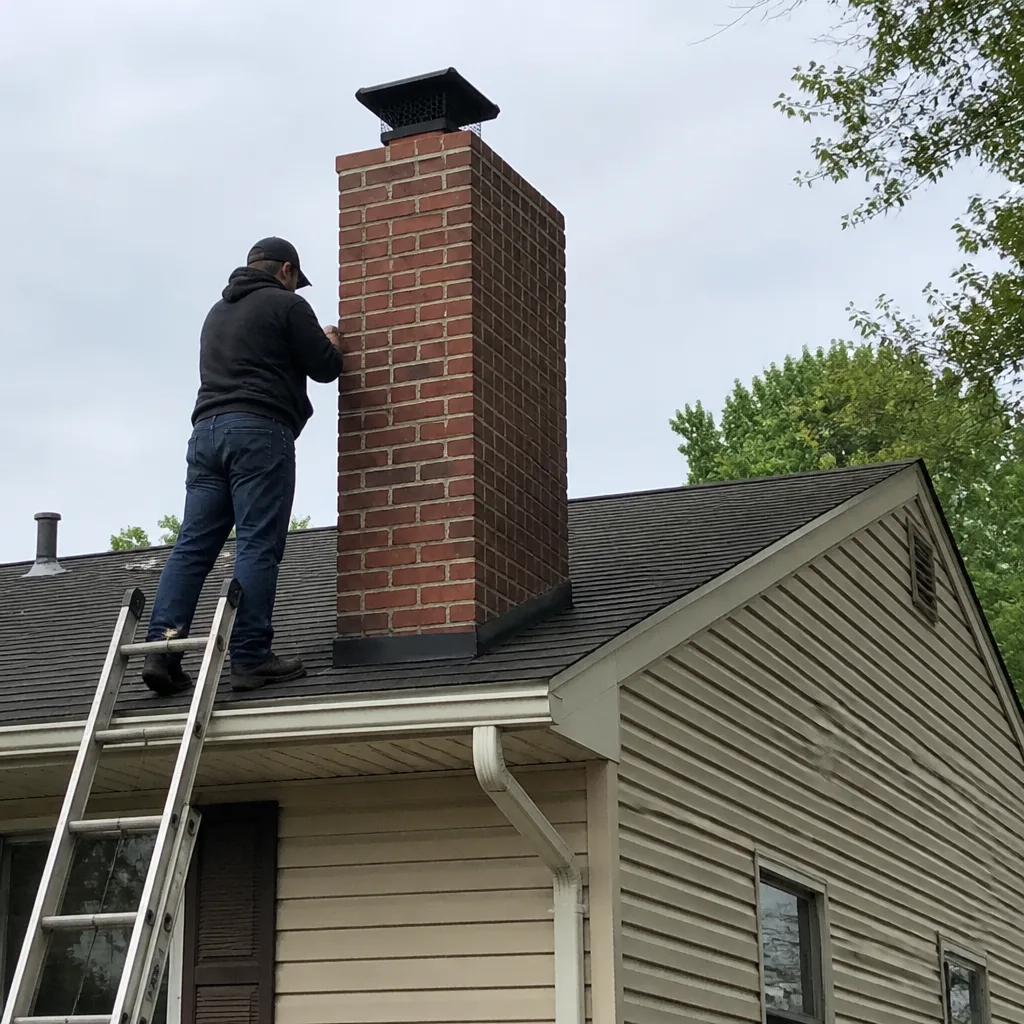
Level 1 sweep and inspection to the NFPA 211 annual standard - flue, crown, cap, and flashing checked and photographed
Chimney sweep logs do not sweep chimneys. They loosen some creosote - which then falls where a brush and vacuum still have to collect it.
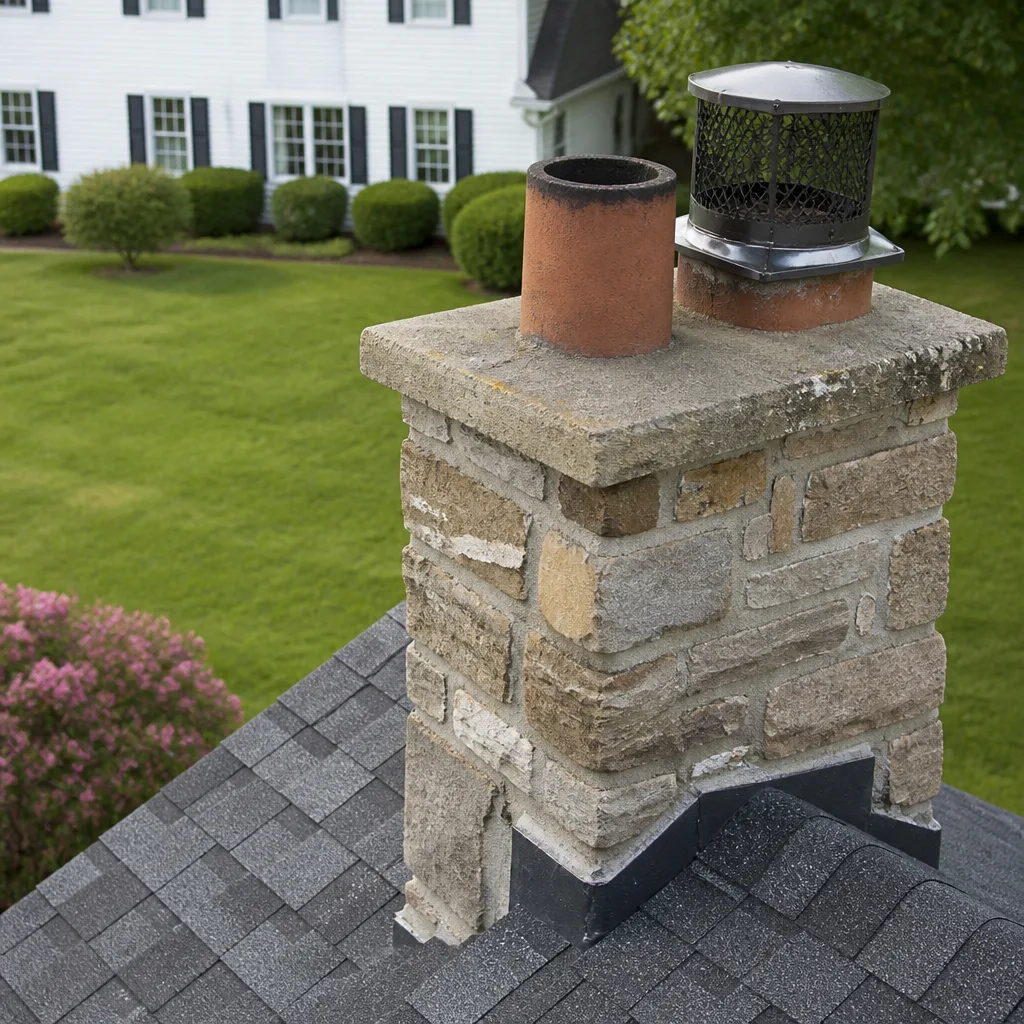
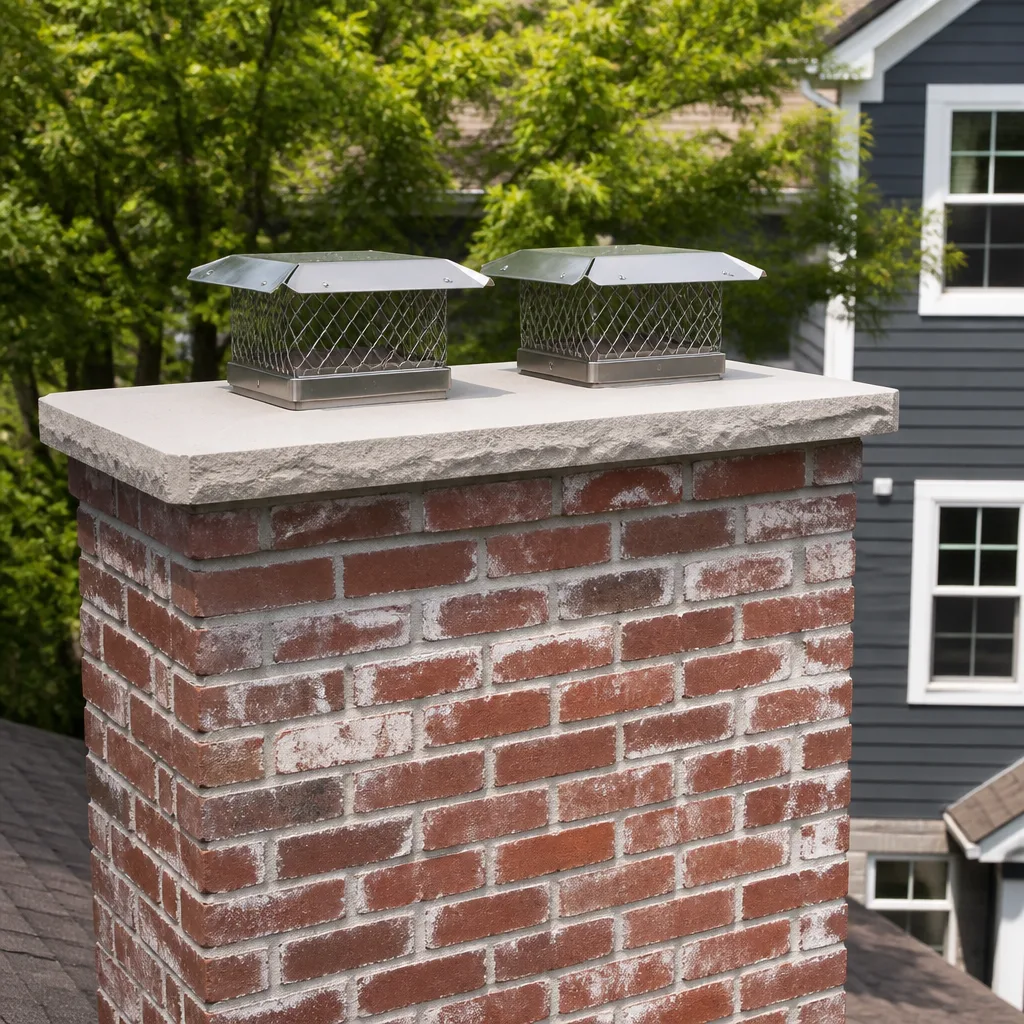
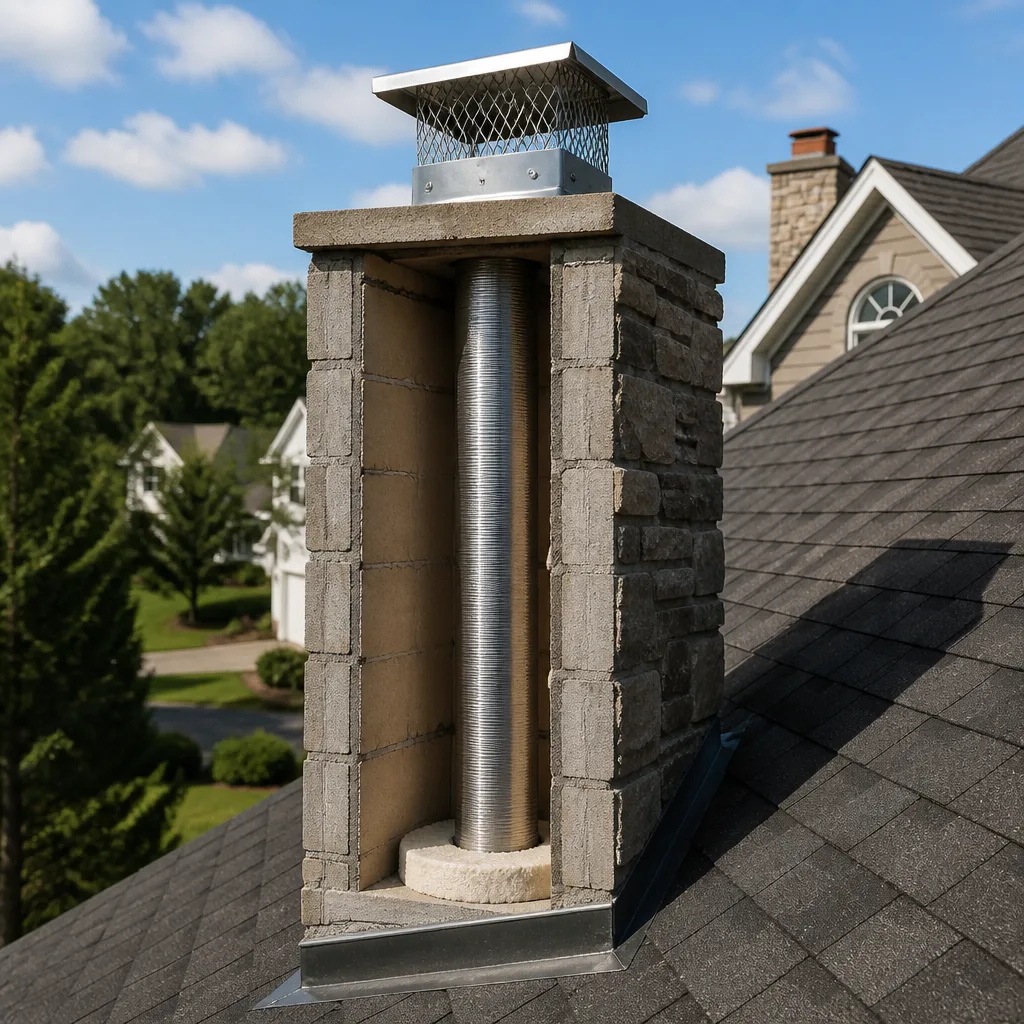
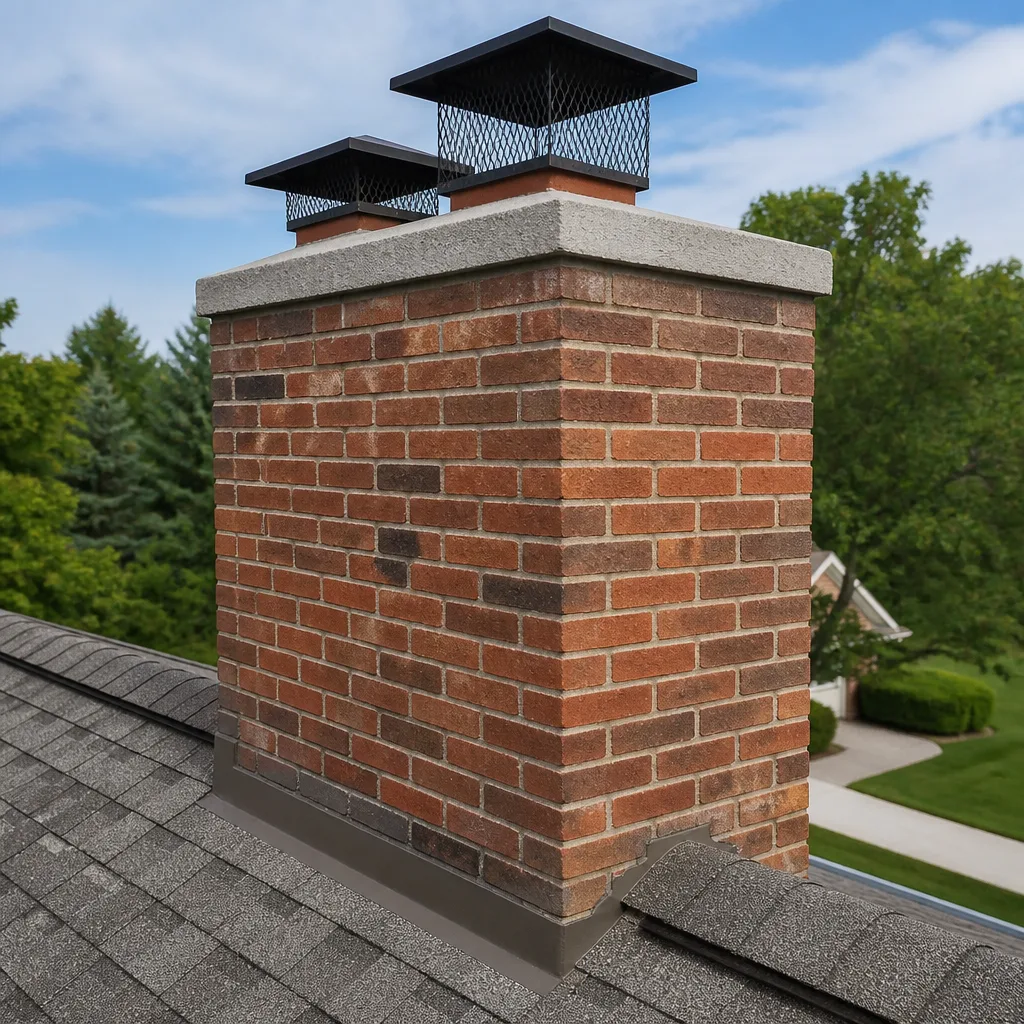
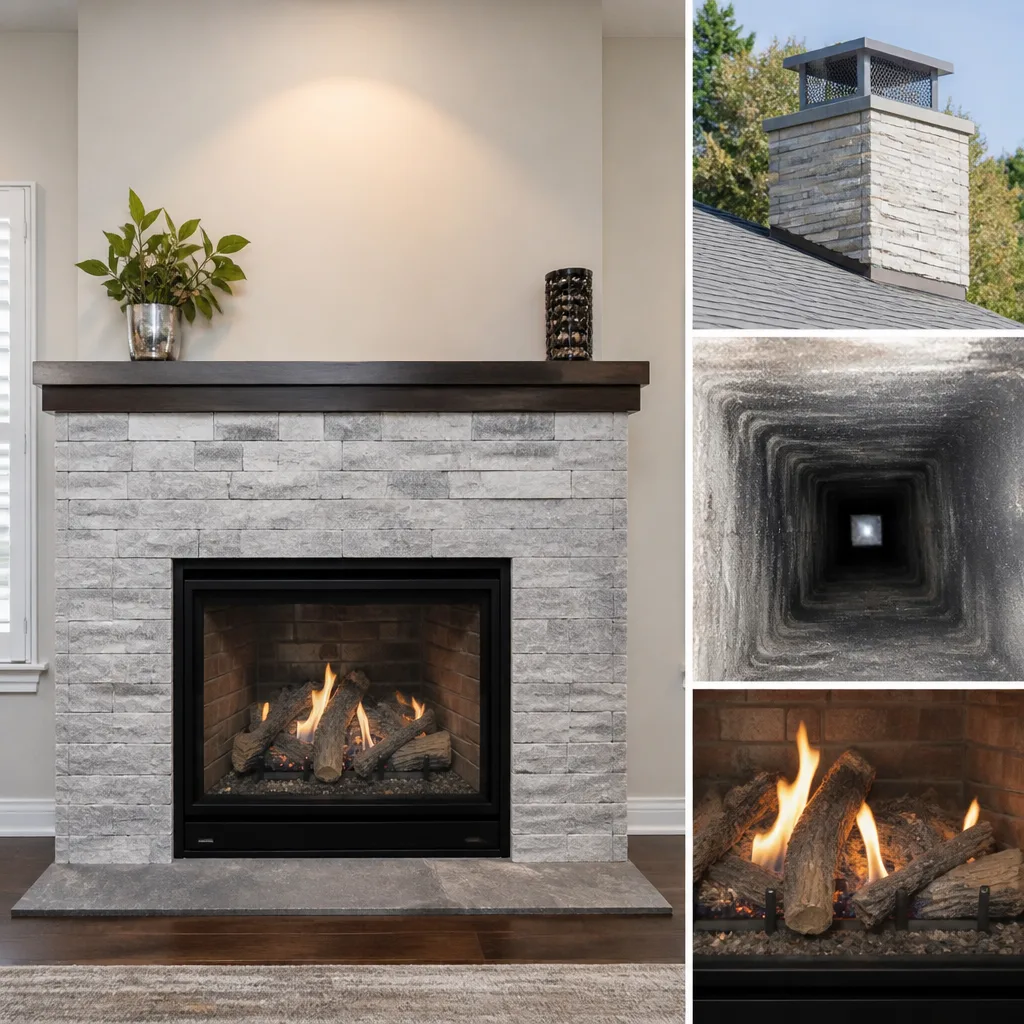
 Before
 After
After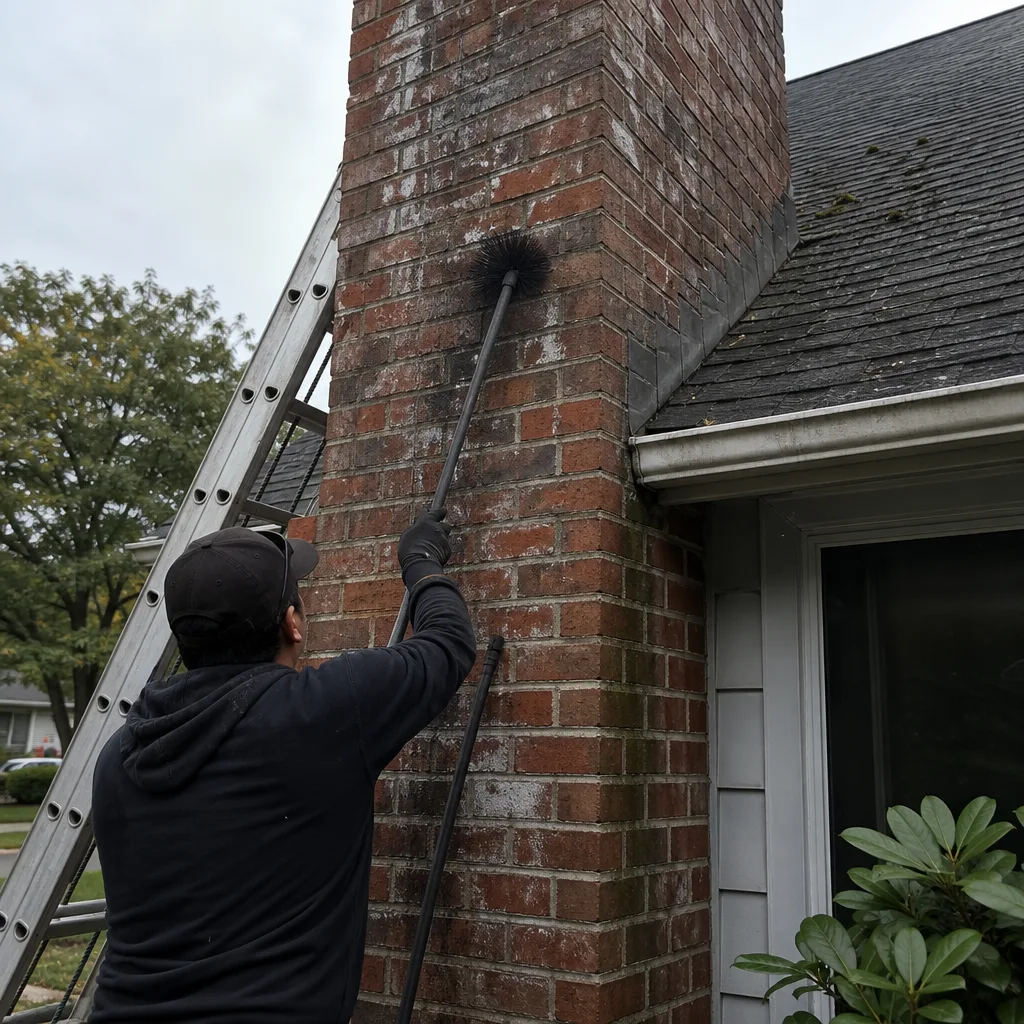 Before
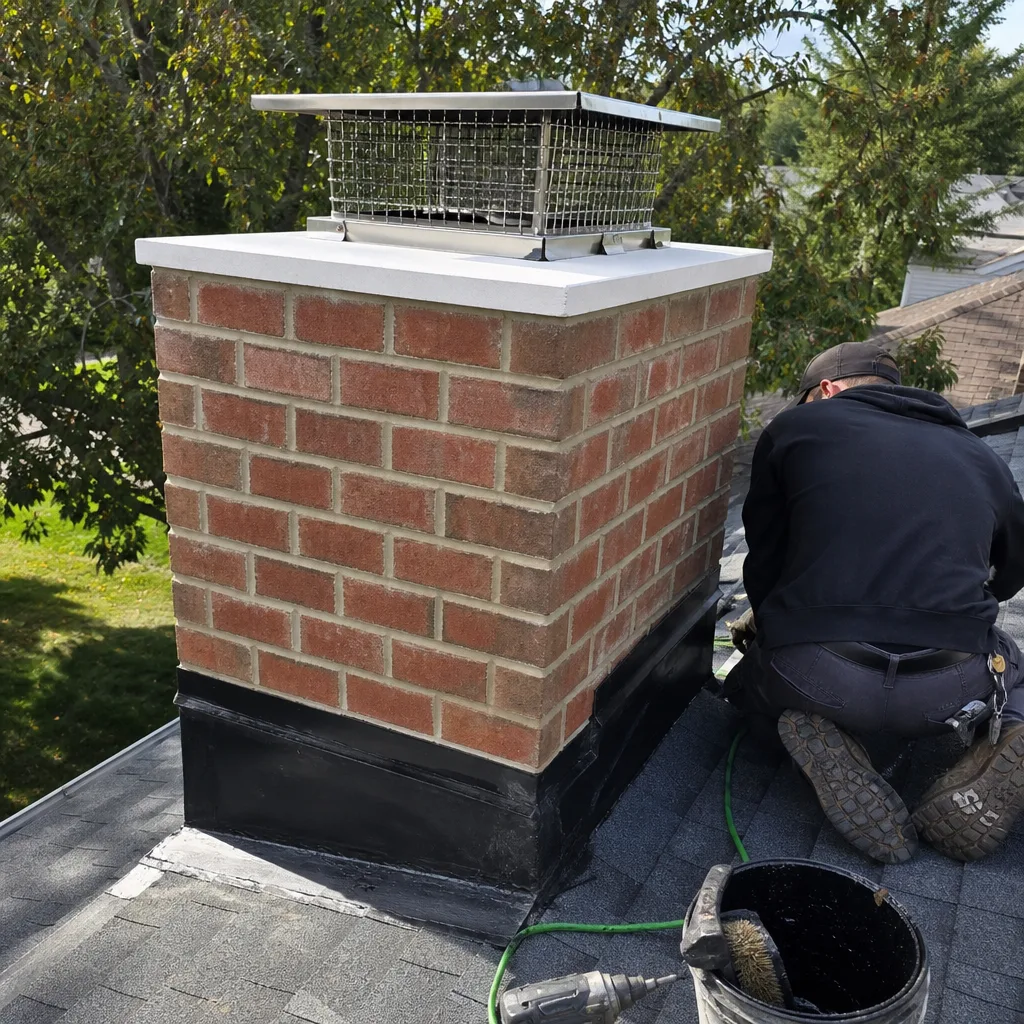 After
After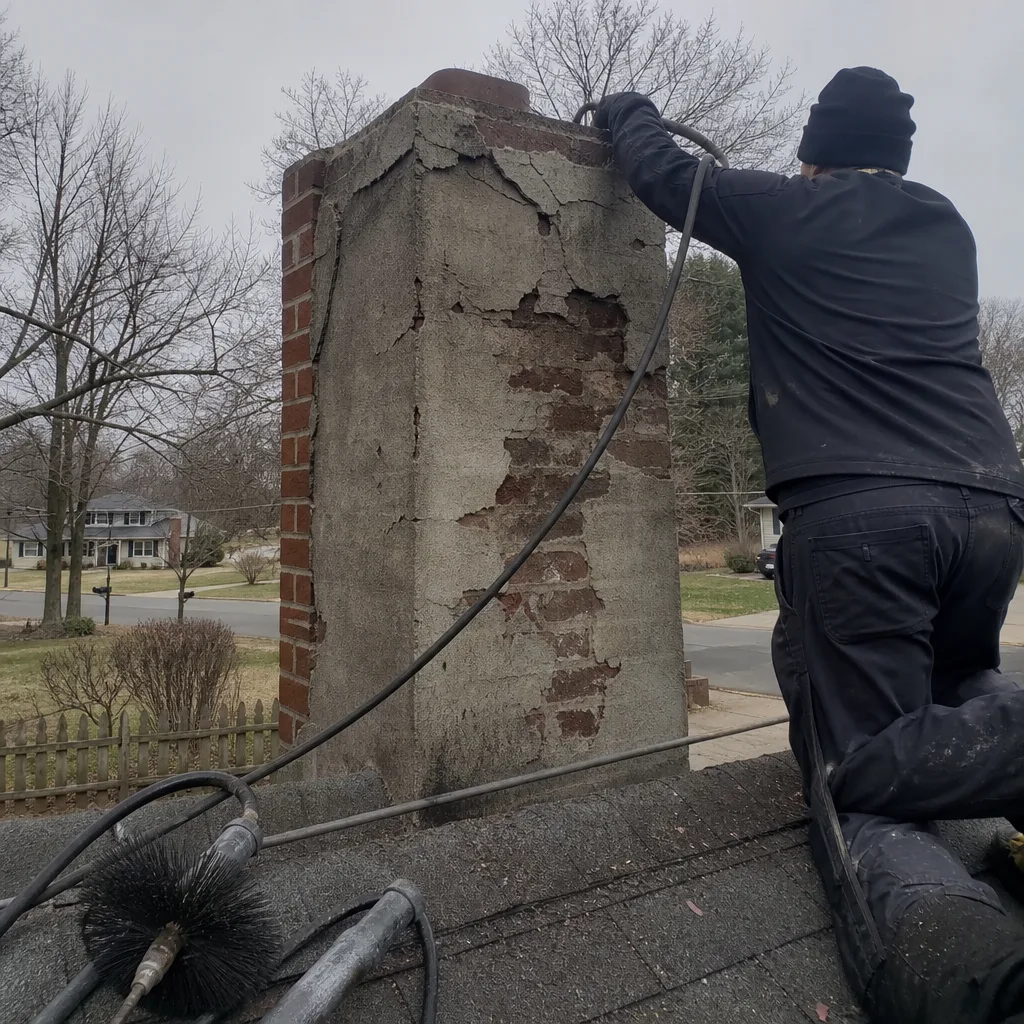 Before
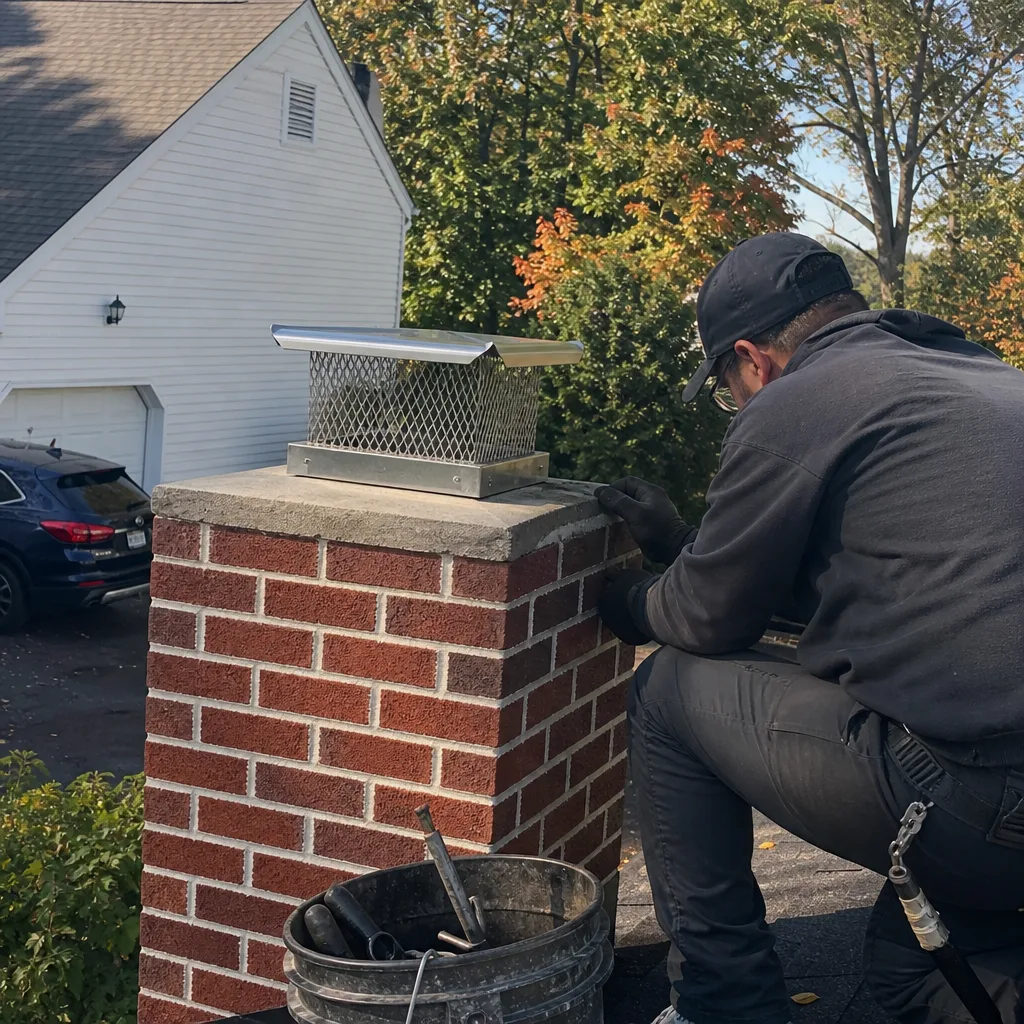 After
AfterThe Complete Guide to Chimney Cleaning in Gaithersburg
A chimney can pass a visual inspection and still be carrying a stage-2 creosote glaze that a standard brush will not remove. The only instrument that reveals the difference is a camera lowered into the flue, and in our experience, most Gaithersburg sweeps do not carry one. This guide explains what a documented chimney cleaning actually produces, how the inspection levels differ, what it costs across Montgomery County, and the three deliverables you should request before anyone shows up at your door. By the time you finish reading, you will know exactly what separates a receipt from a record.
Quick Answer
Chimney cleaning in Gaithersburg typically costs between $189 and $399 for a standard sweep, depending on flue condition, creosote classification, and whether chimney cap or crown work is also needed. A proper cleaning includes a camera scan before and after, a written report with photo documentation, and a written price before any work begins. If a company quotes a lower price without a camera inspection, you are paying for a brush run, not a documented cleaning.
Table of Contents
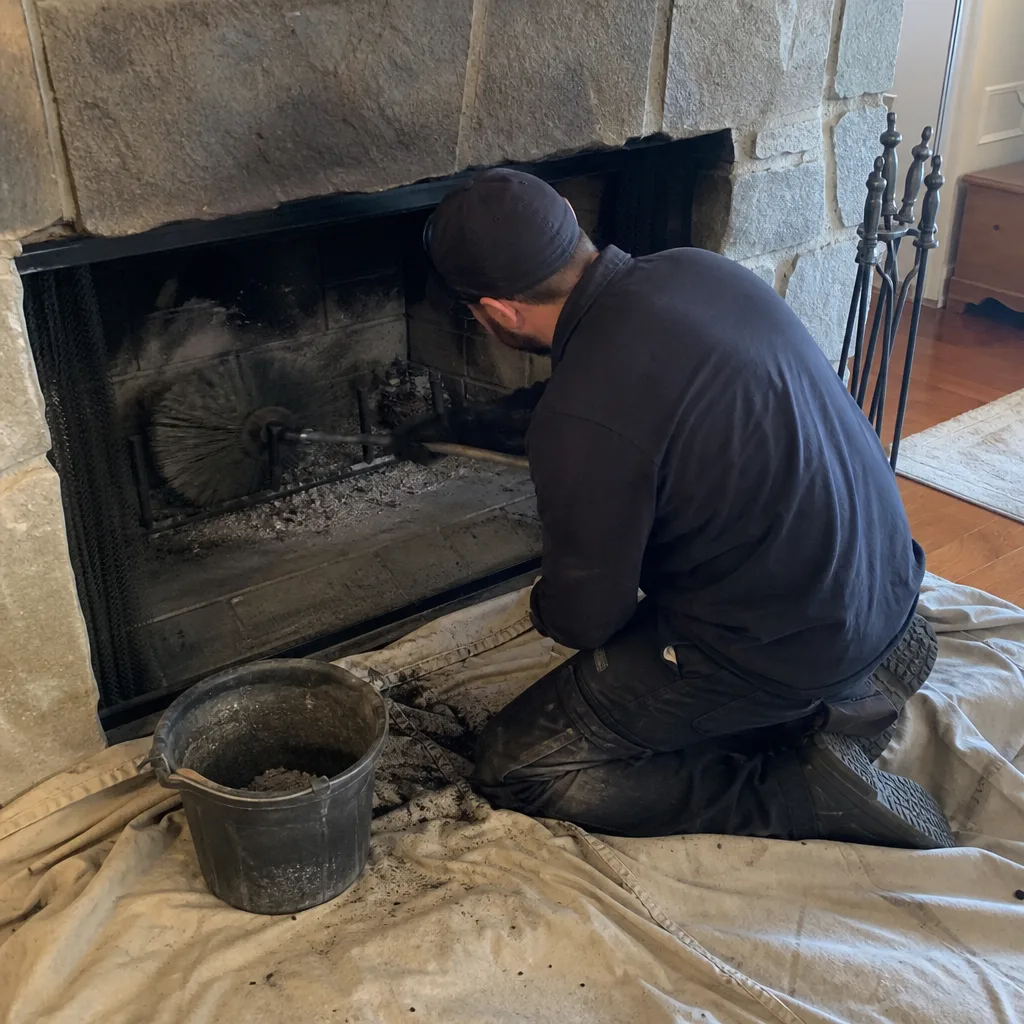
- What a Chimney Cleaning Actually Involves
- NFPA 211 Level 1 vs. Level 2: What Gaithersburg Homes Need
- How Much Does Chimney Cleaning Cost in Gaithersburg?
- How to Read a Post-Cleaning Camera Still
- The Three Deliverables to Request Before Scheduling
- Why Gaithersburg’s Housing Stock Has Particular Risks
- How Often Should You Clean Your Chimney in Gaithersburg?
- What the Camera Shows That a Flashlight Cannot
BeforeAfterWhat a Chimney Cleaning Actually Involves
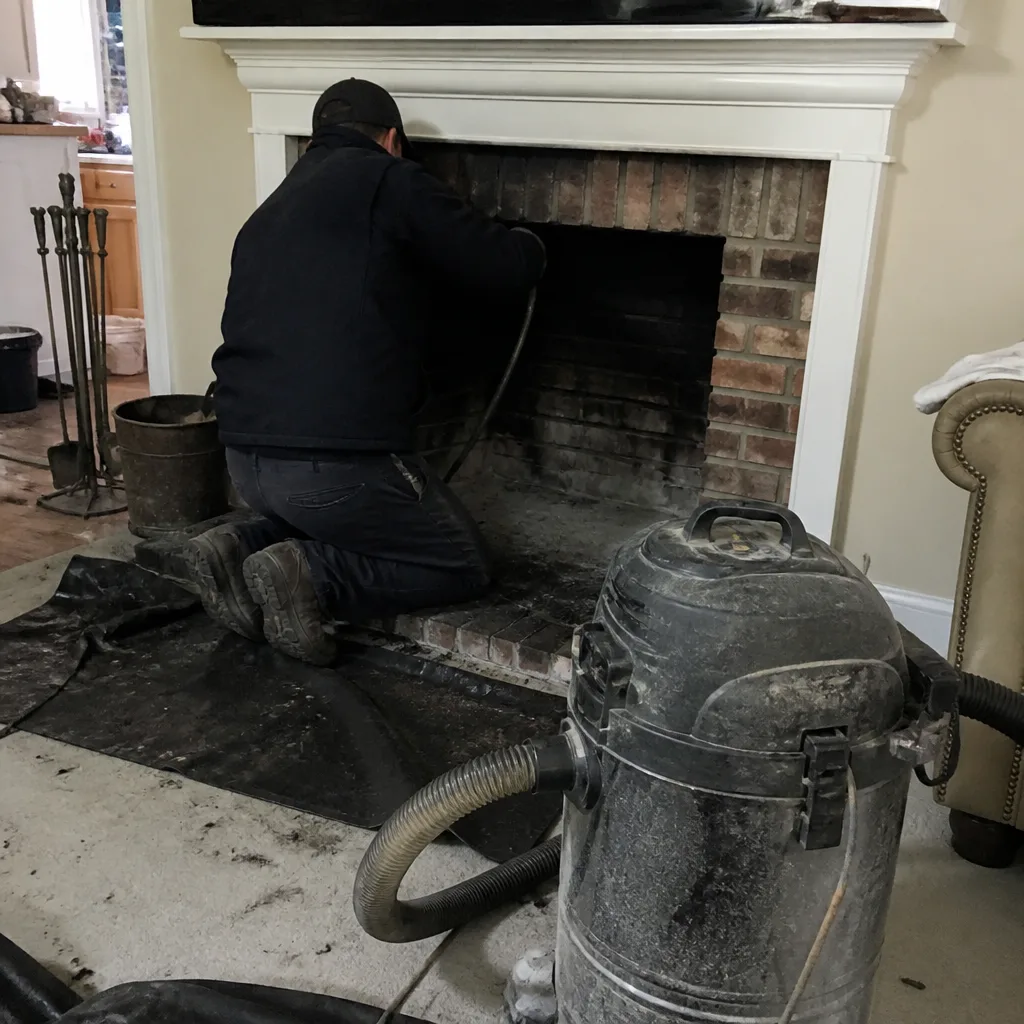
A chimney sweep in Gaithersburg should do more than push a brush up and down the flue. A complete service has five distinct stages, and each one produces something you keep. The first stage is a pre-cleaning camera scan that documents the creosote class, liner condition, and any blockages before work starts. The second stage is containment: drop cloths, a vacuum with a HEPA filter, and sealing the fireplace opening so no dust enters the living space. The third stage is mechanical cleaning, using brushes sized to the flue dimensions, and sometimes rotary tools or chemical treatments for glazed creosote. The fourth stage is the post-cleaning camera scan, which verifies that creosote was removed, not smeared. The fifth stage is the written report: photo record, creosote classification before and after, and a written statement of any further work recommended.
Most Gaithersburg homeowners receive only stages two and three. They get a clean firebox and a receipt. What they do not get is proof that the flue interior was actually cleared from smoke shelf to crown. Without pre- and post-images, neither the homeowner nor the company can verify the work. In our experience across Gaithersburg, Kentlands, and Washingtonian Woods, the homes most likely to have recurring chimney problems are those where previous cleanings produced no photographic record.
Our Chimney Cleaning & Sweep in Gaithersburg service page explains the process we follow on every job, including the written price delivered before work begins.
NFPA 211 Level 1 vs. Level 2: What Gaithersburg Homes Need
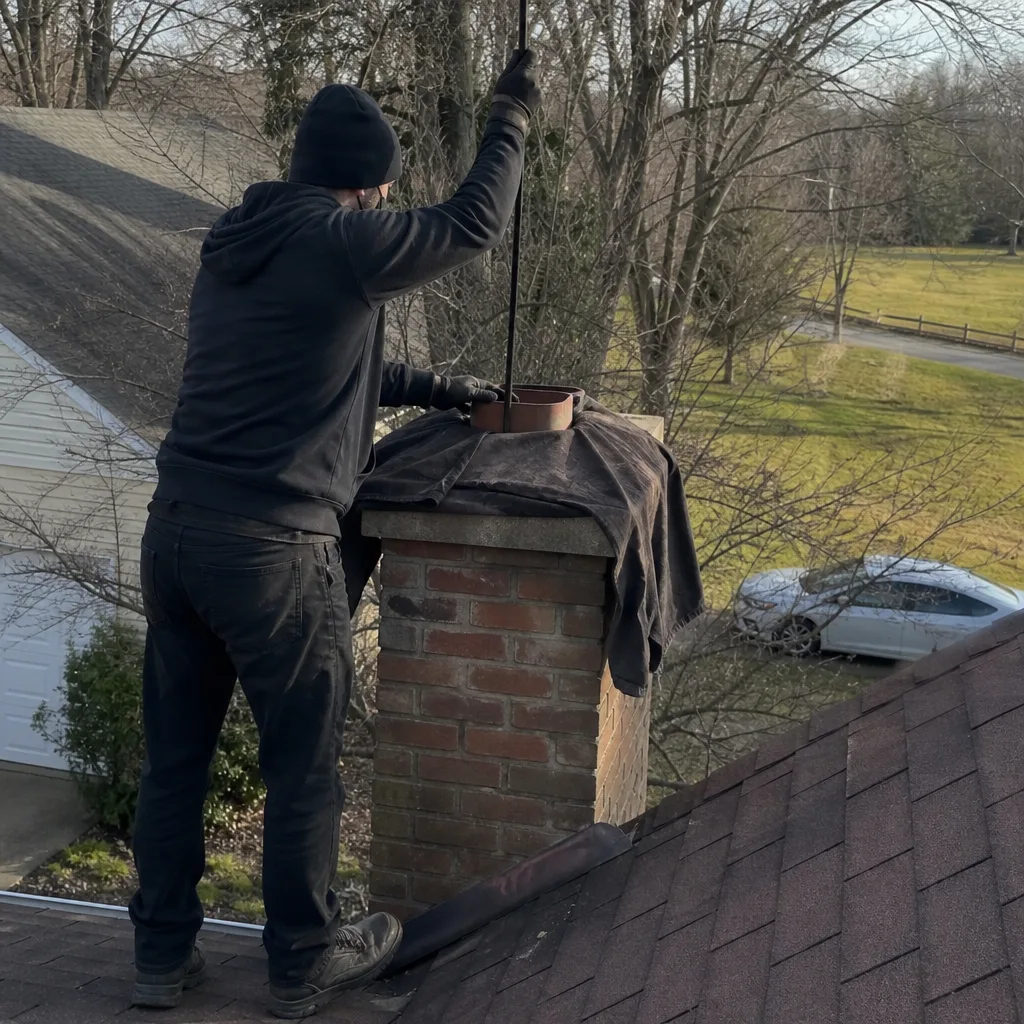
The National Fire Protection Association standard, NFPA 211, defines three levels of chimney inspection. A Level 1 inspection is a visual check of accessible portions of the chimney, interior and exterior. It is appropriate when the system has not changed since the last inspection and you are using it the same way as before. A Level 2 inspection adds camera scanning of the flue interior, attic, crawlspace, and all accessible areas. It is required when the property is being sold, when the system has been altered, after a chimney fire or weather event, or when a new appliance is connected.
Gaithersburg’s housing stock makes this distinction particularly relevant. The city’s older single-family homes, many in the Montgomery Village, Lakelands, and Quince Orchard areas, were built between the 1970s and the 1990s. These masonry chimneys commonly have clay tile liners that are now 30 to 50 years old. Hairline cracks, spalling, and mortar joint erosion are all invisible from the roof or firebox. A Level 1 visual inspection can miss every one of these conditions. A Level 2 camera scan finds them in minutes.
Here is what separates the levels in plain terms:
- Level 1 inspection: A visual check of what can be seen without tools. No camera, no opening of walls or ceilings. Appropriate for annual maintenance when nothing has changed.
- Level 2 inspection: A camera scan of the full flue interior, plus inspection of attic and crawlspace areas where the chimney passes through. Includes photo documentation. Required for property transfers and after fires or storms.
- Level 3 inspection: An invasive inspection that may open walls or ceilings to access hidden sections of the chimney. Only needed when Level 2 findings indicate serious hidden damage.
For Gaithersburg homeowners, the practical rule is this: if you have never seen a camera go down your flue, you have not had a Level 2 inspection. A Level 2 is what every property transfer demands, and it is what we recommend as a baseline for any home that has not been inspected in three or more years.
How Much Does Chimney Cleaning Cost in Gaithersburg?
Chimney cleaning prices in Gaithersburg range from $189 to $399 for a standard sweep and inspection package. The final price depends on creosote condition, flue length, liner accessibility, and whether additional work like cap replacement or crown sealing is needed. If the creosote is Class III glazed, a chemical or mechanical treatment is often required, which adds to the total. If the liner has cracks or gaps, the price discussion shifts to repair.
Here is a breakdown of what Gaithersburg homeowners can expect to pay in 2025:
- Standard cleaning with Level 1 inspection: $189 - $249. Brush sweep, firebox cleanup, and a visual check. Typically does not include camera scanning.
- Cleaning with Level 2 camera inspection: $299 - $399. Includes pre-scan, post-scan, photo record, and a written report. This is what we recommend for most Gaithersburg homes.
- Class III creosote treatment: Add $100 - $200. Glazed creosote does not brush off. It requires chemical treatment or rotary scraping.
- Chimney cap installation: $125 - $350 installed, depending on cap material and flue size. Stainless steel caps from manufacturers like Gelco or Olympia Chimney sit at the higher end because they last 20-plus years.
- Crown repair: $300 - $800. Cracks in the concrete crown let water in. A patch may work, but full replacement is often the honest fix for 1980s-era crowns in Gaithersburg.
We quote every job in writing before work starts. No verbal estimates, no “contact us for pricing,” no surprises after the tech is already in the home. Bring us a competitor’s written quote and we will give you a Level Two Chimney Gaithersburg home second opinion at no charge. The point is not to undercut on price; it is to show you what the price is buying.
How to Read a Post-Cleaning Camera Still
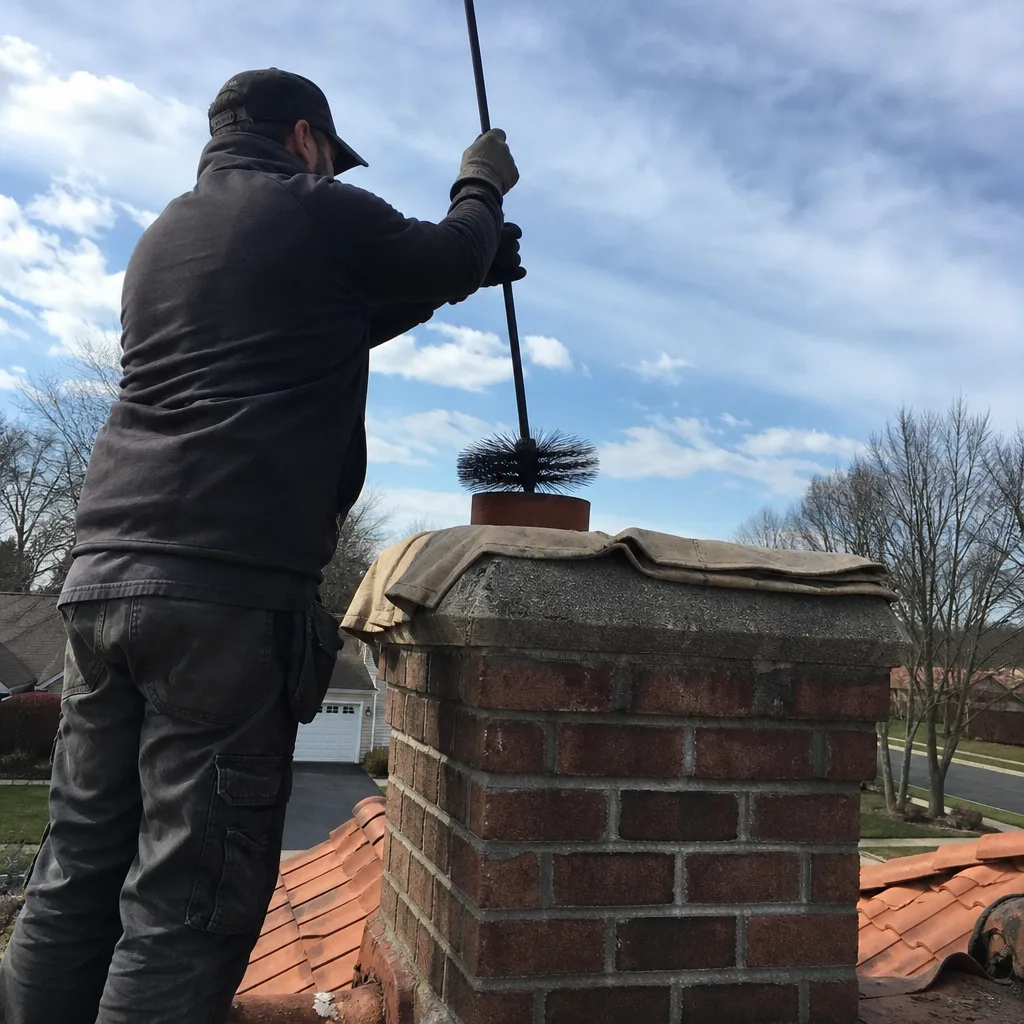
If a company claims to have cleaned your chimney but does not show you a post-cleaning image, you have no way to verify the claim. A camera scan produces a still image or video that you can read. Here is what to look for when you examine the image:
- Flue wall color. Before cleaning, creosote appears as a black or dark brown film. After a proper cleaning, the flue liner should show its original color, typically tan or reddish for clay tile, silver for stainless steel. If the walls still look uniformly black, the cleaning was incomplete.
- Texture. Creosote comes in three classes. Class I is a dusty soot that brushes off easily. Class II is a flaky, granular buildup. Class III is a shiny, tar-like glaze that looks like black candy. If the post-scan still shows glossy patches, the Class III glaze was not fully removed.
- Corners and joints. Creosote accumulates first in the corners where flue tiles meet. If the corners in the post-scan still hold dark ridges, the brush did not reach the edges. This is where smearing happens: the brush drags creosote from one section and smears it over another.
- Visible cracking. A good post-scan also documents liner condition. If you see vertical cracks, gaps between tiles, or missing mortar, the camera just found a repair issue that a brush cannot fix.
A post-clean camera still is not a pretty add-on. It is the difference between a service that can be checked and one that cannot. Clause 4 of the Haven Standard requires a photo record on every job, running continuously since 2009, because that record is the only way a homeowner can hold the cleaning to account.
The Three Deliverables to Request Before Scheduling
Before you book any chimney cleaning in Gaithersburg, read our step-by-step guide to hiring a contractor, then ask for three things in writing. Not after the job. Before it. If a company will not produce these, you are not buying a documented cleaning; you are buying a brush run.
- A written price. A quote sent to you before the tech arrives, listing the sweep scope, the inspection level, and any known additional fees. Not a verbal range. A written number. Clause 1 of the Haven Standard requires a written price, written scope, and written warranty delivered before anyone starts. That is the entire point of a quote: you can hold it.
- A written scope. Which flues will be cleaned, whether a camera scan is included, whether the chimney cap or crown will be examined, and what the tech will and will not do. A one-line invoice is not a scope. You want a sentence or two that describes the work and the standard it meets.
- A written warranty clause or guarantee. What happens if the work does not hold up? If creosote returns in six months or the cap leaks, is there a fix at no charge? We back every job with the 365-Day Done Right Promise: if it is not done right, we make it right. That promise is stamped on every job we do.
Requesting these three items before scheduling takes about five minutes. It filters out every company that cannot produce a written record, and it protects you from the most common Gaithersburg complaint we hear: the tech arrived, did a quick sweep, handed over a receipt, and was gone in forty minutes.
Why Gaithersburg’s Housing Stock Has Particular Risks
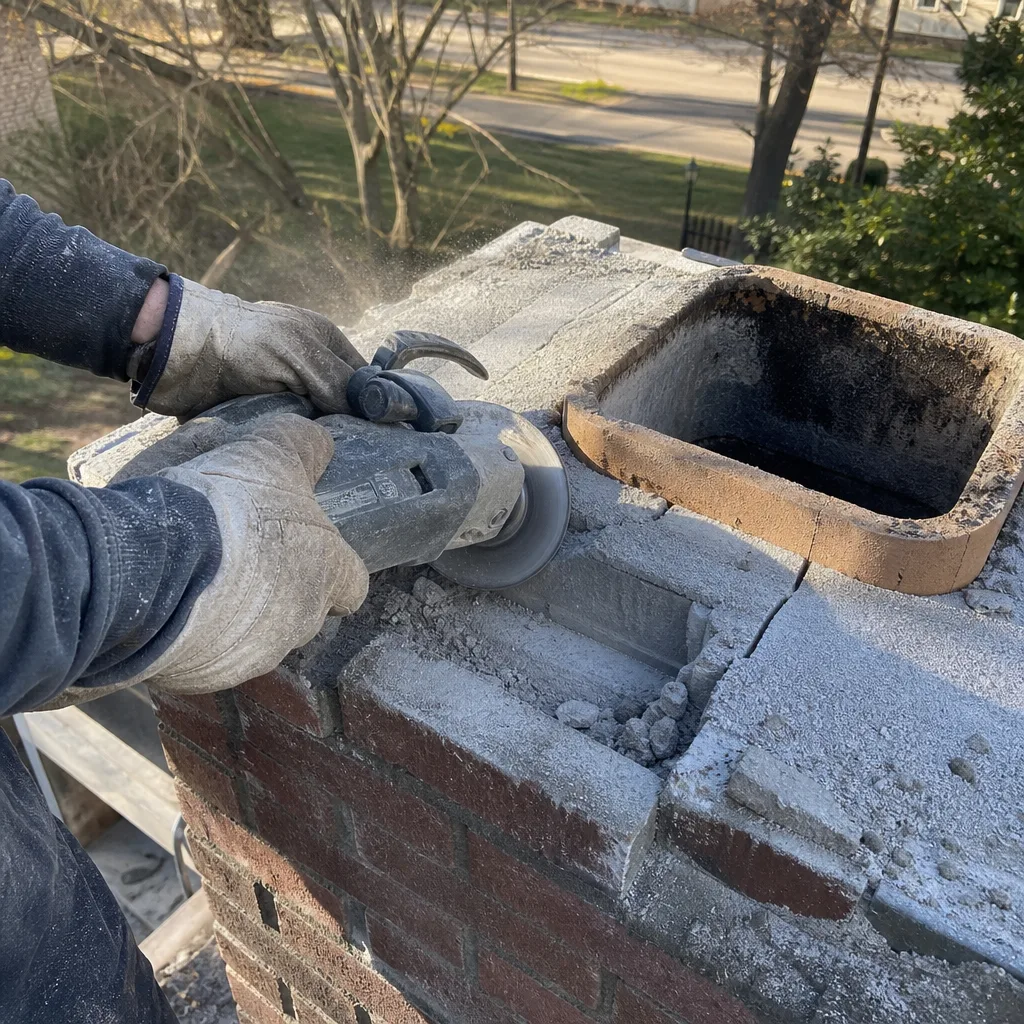
Gaithersburg is not a uniform market. The housing stock ranges from 1970s split-levels and colonials around Montgomery Village to newer townhome developments in the Lakelands and Crown areas, to older single-family properties near Olde Towne. Each category has its own chimney problems.
The 1970s and 1980s colonials, common across Gaithersburg, were built with clay tile liners and masonry chimneys. These liners absorb creosote readily, and after three to four decades, tile joints in the flue interior begin to separate. Once a joint opens, exhaust gases and creosote can escape into the chimney chase. A visual Level 1 inspection will never see this. A camera scan will. In our work across Gaithersburg, we routinely find separated tile joints and hairline cracks in flues that have not been camera-scanned in years.
Water is the second factor. Gaithersburg gets an average of 44 inches of precipitation per year, including a real freeze-thaw cycle in winter months. When water seeps into masonry through a cracked crown or missing cap, it freezes and expands, causing spalling, the flaking and crumbling of brick faces and mortar joints that every homeowner in this area has seen on an older chimney. A chimney cap is not cosmetic. It is the difference between a flue that stays dry and one that slowly degrades from the inside out.
For homes with fireplace inserts or stoves, the risks shift. A liner that was adequate for an open fireplace may be undersized or incompatible with a new insert. That is a code issue in Montgomery County, and it shows up on camera scans as a gap between the appliance and the liner. We walk through the repair options on our Chimney Repair in Gaithersburg page, including liner resizing and full rebuild decisions.
What the Camera Shows That a Flashlight Cannot
A flashlight at the top of the flue reaches about four feet. A brush reaches the length of the flue but cannot tell anyone what it has done. The camera, using a rotating head and a bright light source, travels the full distance from firebox to crown and records what it sees. The difference is not subtle.
A camera scan shows:
- Creosote class and thickness. Whether the buildup is Class I soot or Class III glaze, and how thick it is at various points in the flue.
- Liner condition. Cracks, gaps, missing tiles, and deterioration that are invisible from either end of the chimney.
- Blockages. Animal nesting, fallen leaves, dead birds, and construction debris that reduce draft and create fire risk.
- Smoke chamber condition. The area above the damper, where creosote and soot accumulate where the firebox narrows into the flue. This is the most under-cleaned section of most chimneys.
- Cap and crown integrity. From the top, the camera can document whether the cap is still seated and whether the crown is cracked or spalling.
A sweep that skips the camera is not saving you money. It is withholding evidence. The camera is the only tool that transforms a chimney cleaning from a belief into a fact. In Gaithersburg, where many homes are carrying decades of deferred maintenance, the evidence matters more than the price.
How Often Should You Clean Your Chimney in Gaithersburg?
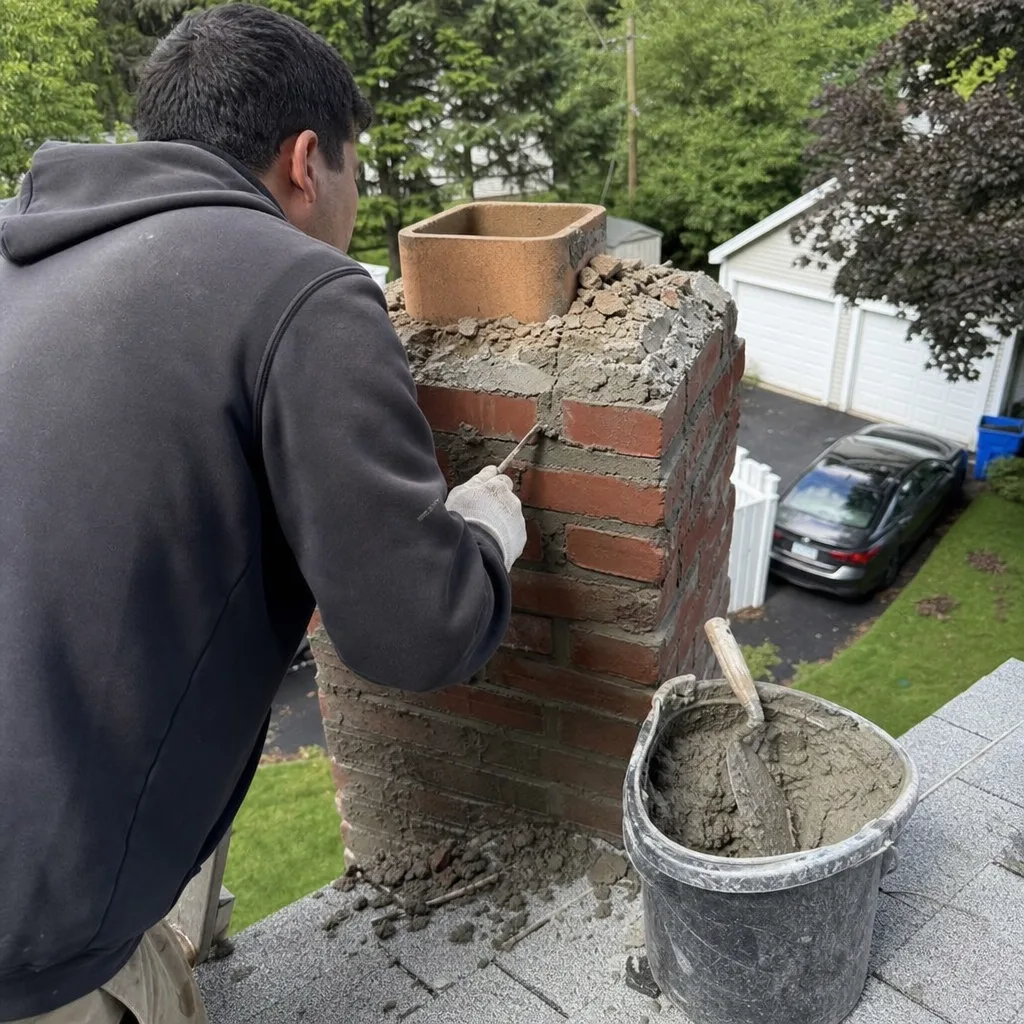
The short answer: once per burning season, or every 40-60 fires, whichever comes first. The practical answer for Gaithersburg: most homeowners should clean annually, especially if they burn wood more than occasionally. See our seasonal chimney care guide for a full year-round schedule.
Creosote accumulates faster in certain conditions. Burning green or unseasoned wood produces more smoke and more creosote. Burning low, smoldering fires does the same. A flue that is already glazed from previous incomplete cleanings builds new creosote more quickly. And a home in a wooded area like the neighborhoods around Seneca Creek State Park is more likely to have animals climbing down the chimney and adding nesting debris on top of already-present creosote.
Here is a simple schedule we recommend for Gaithersburg homeowners:
- Wood-burning fireplace used most weekends in the fall and winter: clean once per year, before the first fire of the season.
- Wood-burning fireplace used occasionally: clean every one to two years, with a visual check and camera scan each time.
- Wood stove or insert used regularly: clean annually. Stoves produce denser creosote because the burn is more controlled and lower-temperature.
- Gas fireplace: an annual safety check is recommended, though cleaning requirements are lighter. The camera scan still matters to check for liner and venting issues.
Fireplace service needs in Gaithersburg go beyond sweeping. We cover the full range of Fireplace Services in Gaithersburg on our dedicated page, including gas log sets, damper repair, and insert installations.
Common Mistakes to Avoid
- Booking a sweep without asking for camera documentation. A cleaning without pre- and post-images cannot be verified. Ask for the camera scan before you book; if the company does not do it, move on.
- Waiting until December to schedule. October and November are the busiest months in Gaithersburg for chimney service. Scheduling in late summer or early fall gets you a better window and typically lower pressure from shorter waits.
- Assuming a home inspection found everything. Maryland home inspectors generally perform a Level 1 visual check at best. They do not camera-scan the flue interior. A Gaithersburg home that just closed escrow may still carry a decade of creosote and a cracked liner.
- Ignoring a small crack in the crown or missing cap. A tiny crack lets water in during rain and snowfall. Freeze-thaw cycles in Gaithersburg winters turn small cracks into spalled brick faces within a few seasons.
- Using unseasoned wood. Fresh-cut wood carries high moisture content. It burns cooler, produces more smoke, and accelerates creosote buildup. Season wood for at least six months, preferably a year, before burning.
- Hiring on price alone. A $99 sweep usually means a brush run with no camera, no report, and no warranty. What looks like savings often becomes a liner replacement later.
- Skipping the smoke chamber. The smoke chamber is above the damper and below the flue. Many quick sweeps never touch it. Creosote accumulates there as much as in the flue itself.
When to Call a Professional
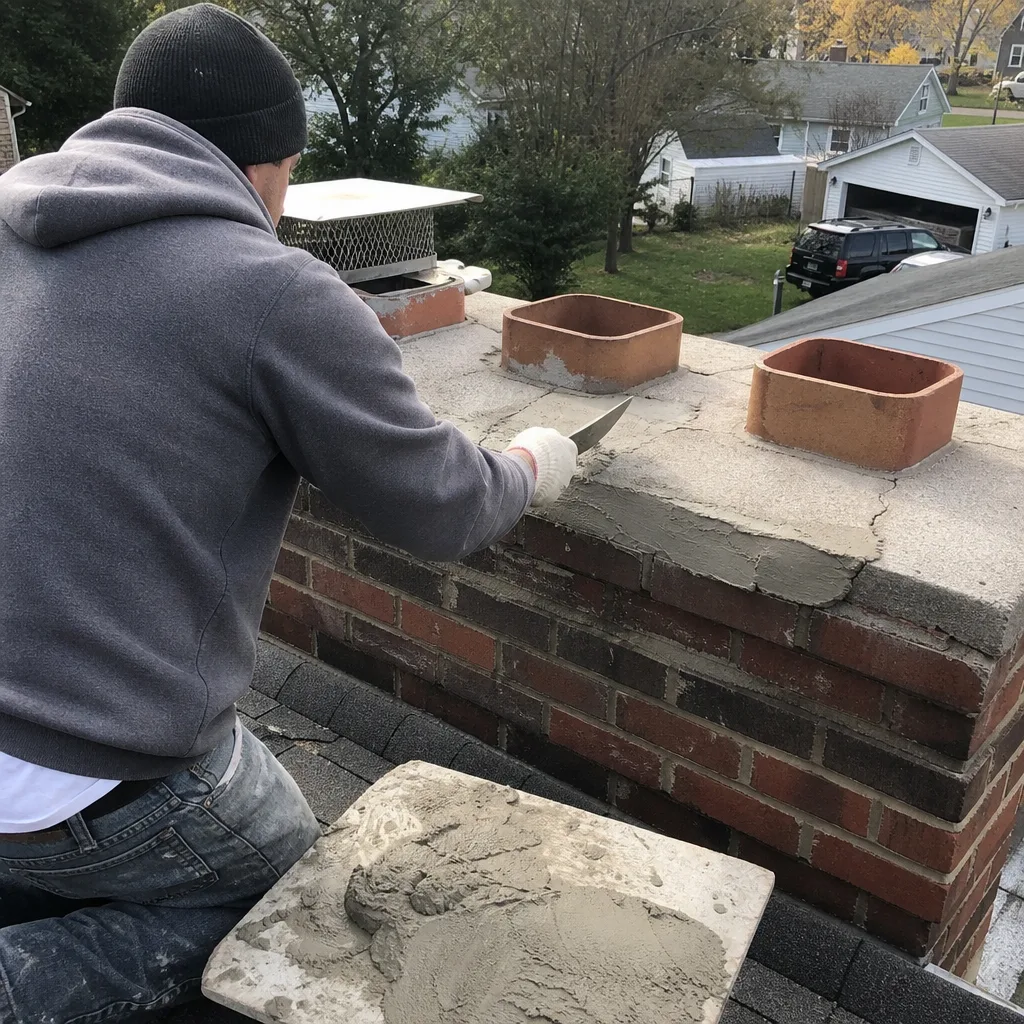
Call a professional when you see a black, shiny glaze inside the flue, when you have burned more than 40 fires since the last cleaning, when you smell a sharp campfire odor in the house even when the chimney is not in use, when you see water stains or spalling brick on the chimney exterior, or when you are about to buy a home with a fireplace that has not had a documented Level 2 inspection. These are not conditions to manage yourself. A chimney fire can reach 2,000 degrees Fahrenheit and crack a clay liner in seconds. Carbon monoxide leaking through a cracked liner is odorless and invisible. Level Two Chimney Gaithersburg offers free estimates across Gaithersburg - call (240) 220-9395 to schedule a camera-scan cleaning and get the written price before any work begins.
Frequently Asked Questions
A standard chimney sweep in Gaithersburg runs between $189 and $399, with camera-scan inspections at the higher end. Call (240) 220-9395 for a written quote based on your flue condition and inspection level.
A visual check cannot see past the first few feet of the flue, and most chimney problems in Gaithersburg homes are hidden in the mid-flue and smoke chamber. A camera scan is the only way to verify creosote removal and check liner condition. We include it on every job.
Once per burning season, typically every 40 to 60 fires. In Gaithersburg, where the burning season runs from October through April, an annual cleaning before the first fall fire is the safest schedule. Call (240) 220-9395 to book before the season fills up.
Creosote accumulates in layers. A skipped year can turn a Class II flaky buildup into a Class III glaze that requires chemical treatment or rotary removal, adding to the cost. In some Gaithersburg chimneys we see the glaze hardening to a point where only a liner replacement resolves it.
Ours does. Every cleaning includes a written report with pre-scan images, post-scan images, creosote classification, and any recommendations for further work. That report is yours to keep, and it becomes the baseline for future inspections.
Usually, yes, though fall is the busiest season in Gaithersburg. We answer calls live around the clock, so call (240) 220-9395 and we will find a window that works for you.
The Bottom Line
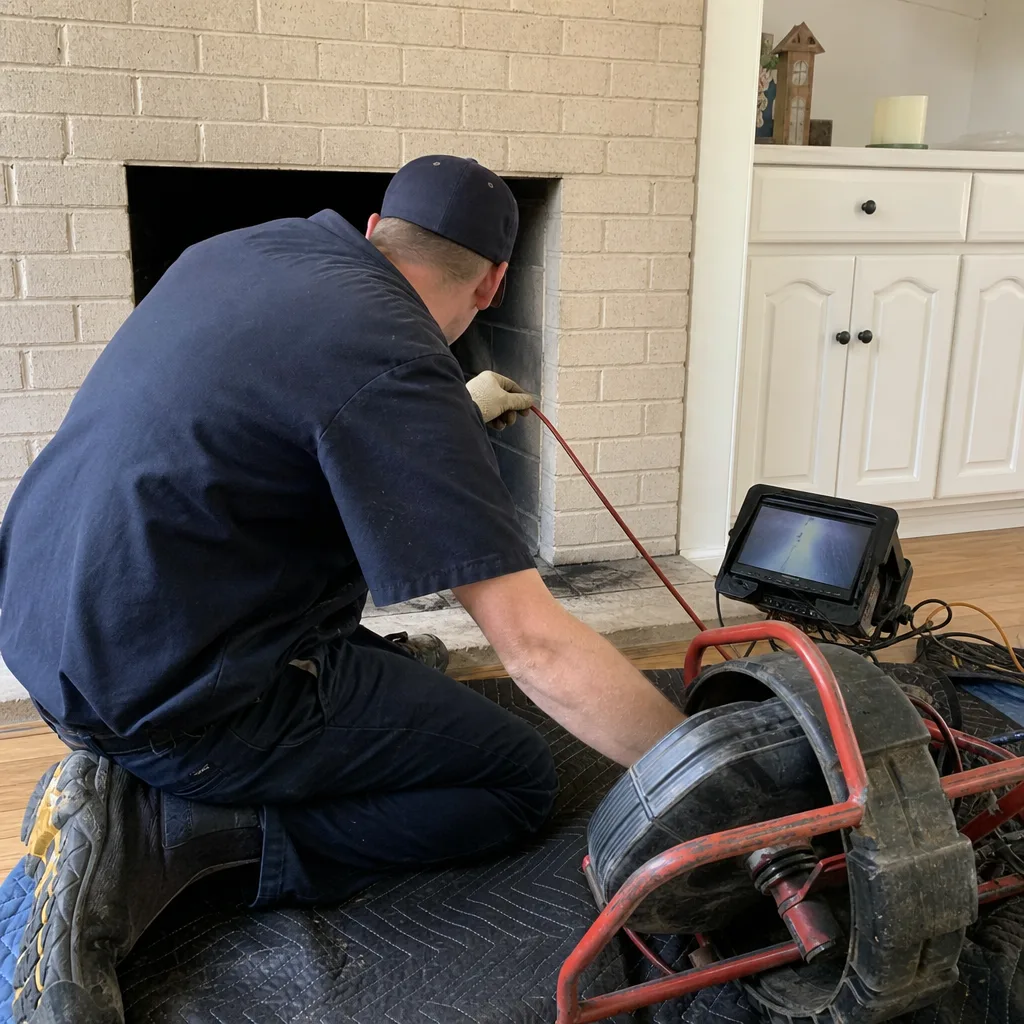
Chimney cleaning in Gaithersburg is a documented service or it is a brush run. The difference is the camera. A complete cleaning produces a pre-scan, a post-scan, a written price, and a written warranty; a flashlight job produces a receipt. Gaithersburg’s older masonry chimneys, with their aging clay liners and freeze-thaw exposure, need the evidence a camera provides. For more guides & resources, explore our blog, and request three deliverables before scheduling: a written price, a written scope, and a written warranty. If a company cannot produce them, you are not buying what you think you are buying. That standard applies from Montgomery Village to Olde Towne and everywhere between.
Written by Corrine Halstead, Owner at Level Two Chimney Gaithersburg, serving Gaithersburg since 2009.