
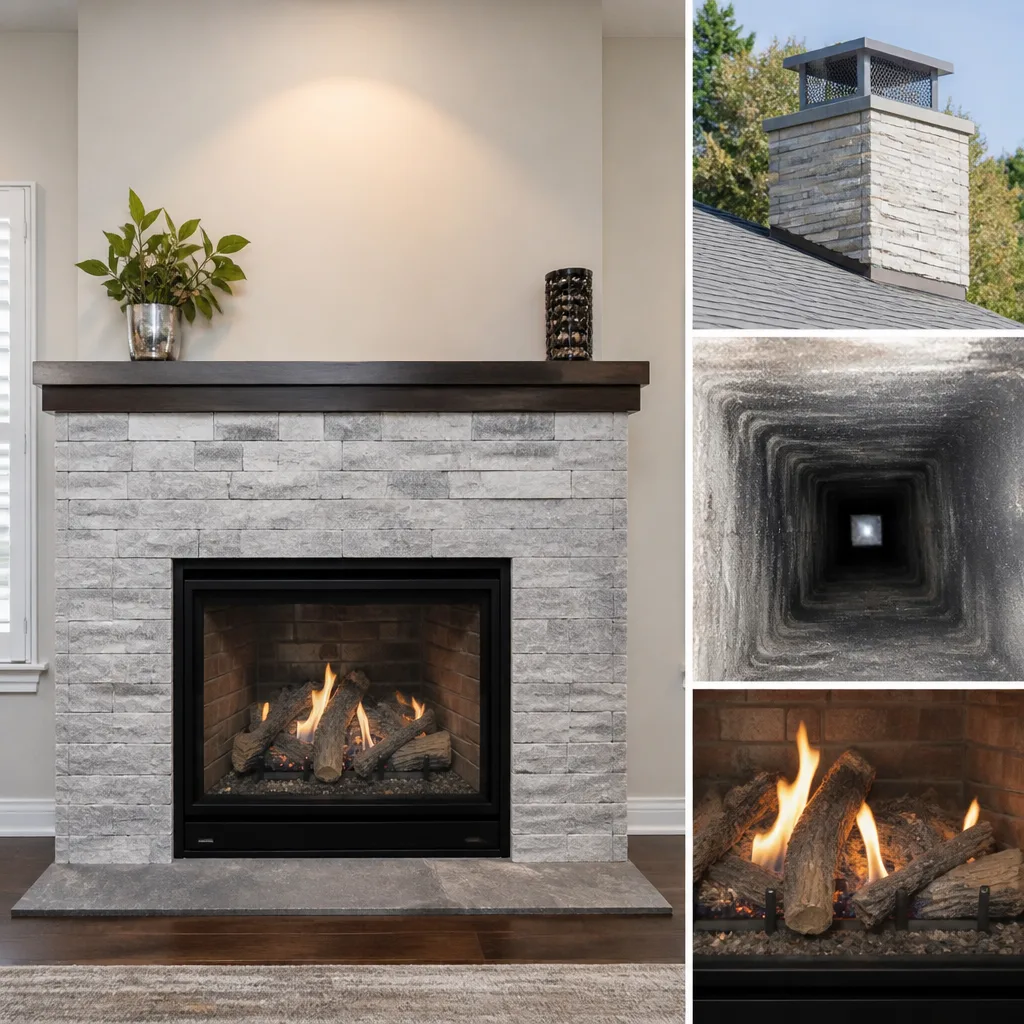
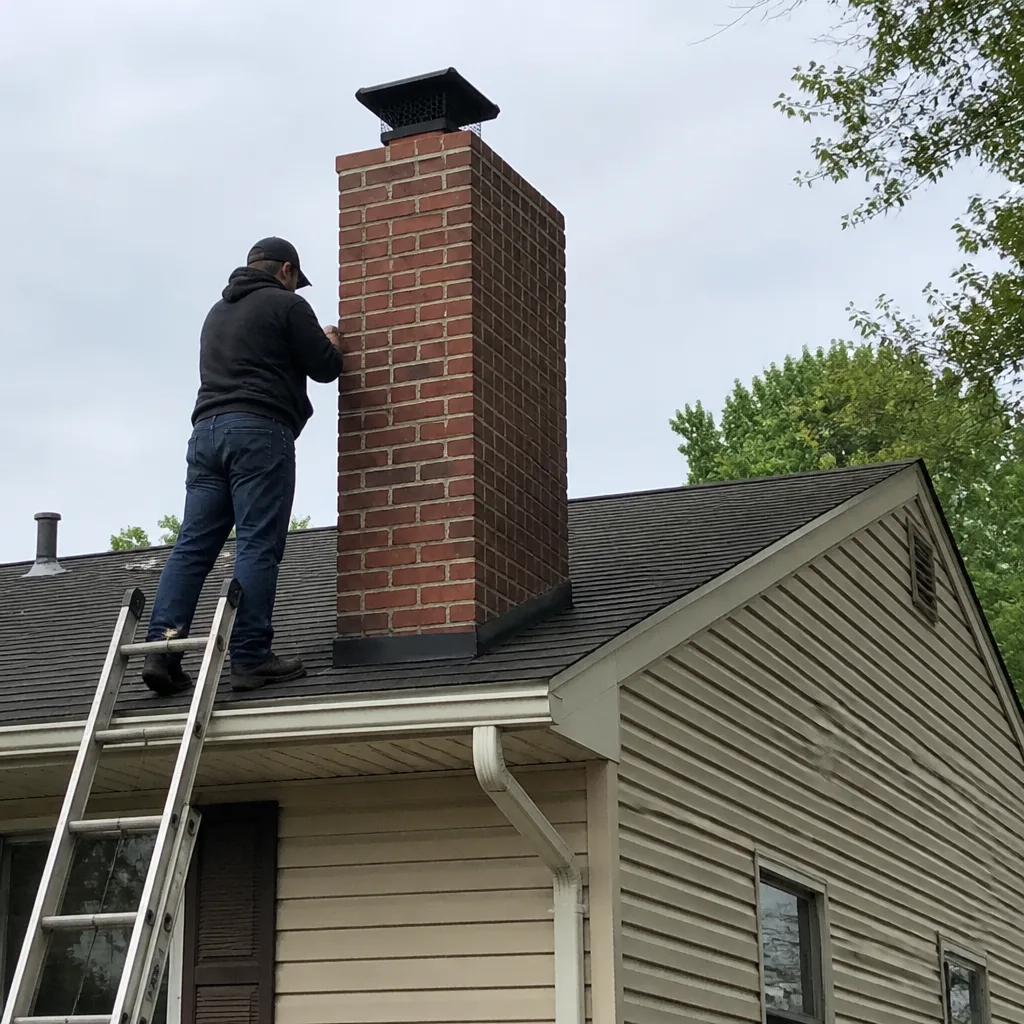
Level 1 sweep and inspection to the NFPA 211 annual standard - flue, crown, cap, and flashing checked and photographed
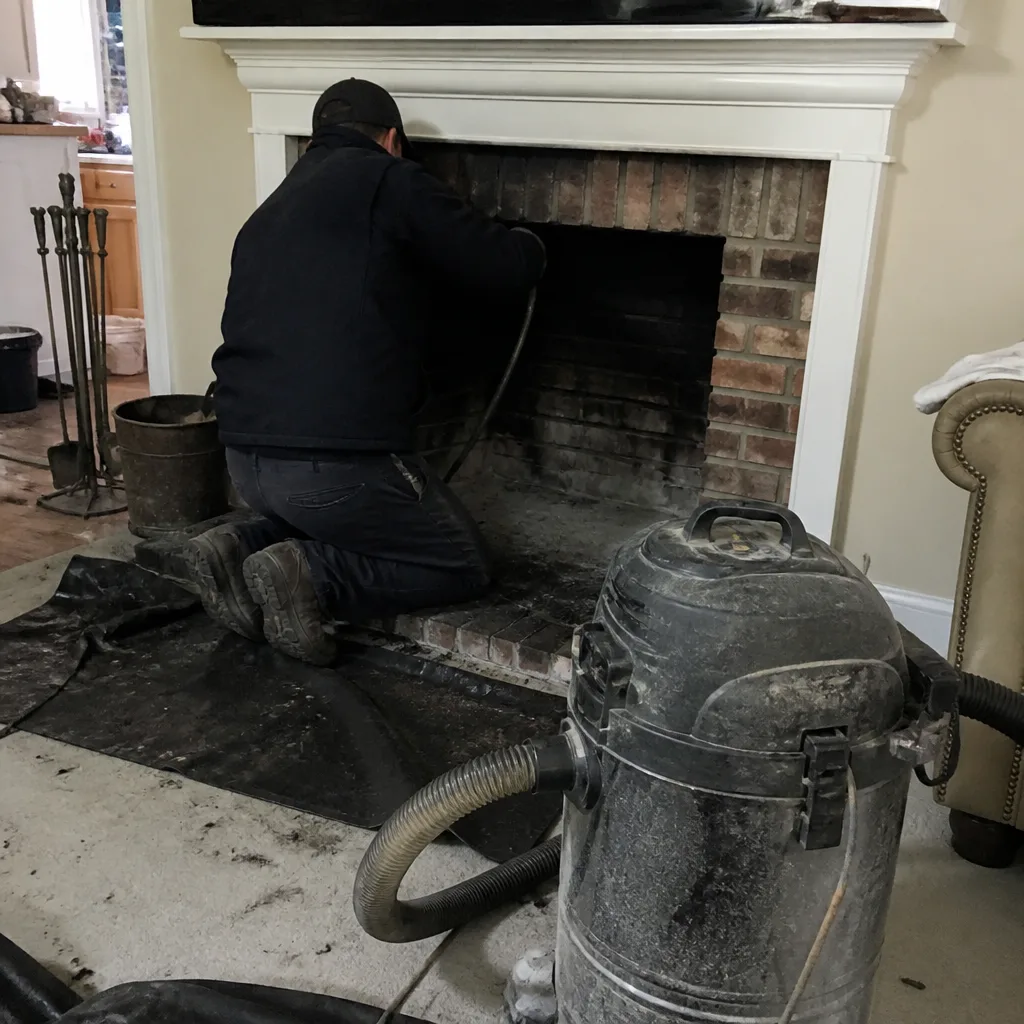
Chimney sweep logs do not sweep chimneys. They loosen some creosote - which then falls where a brush and vacuum still have to collect it.
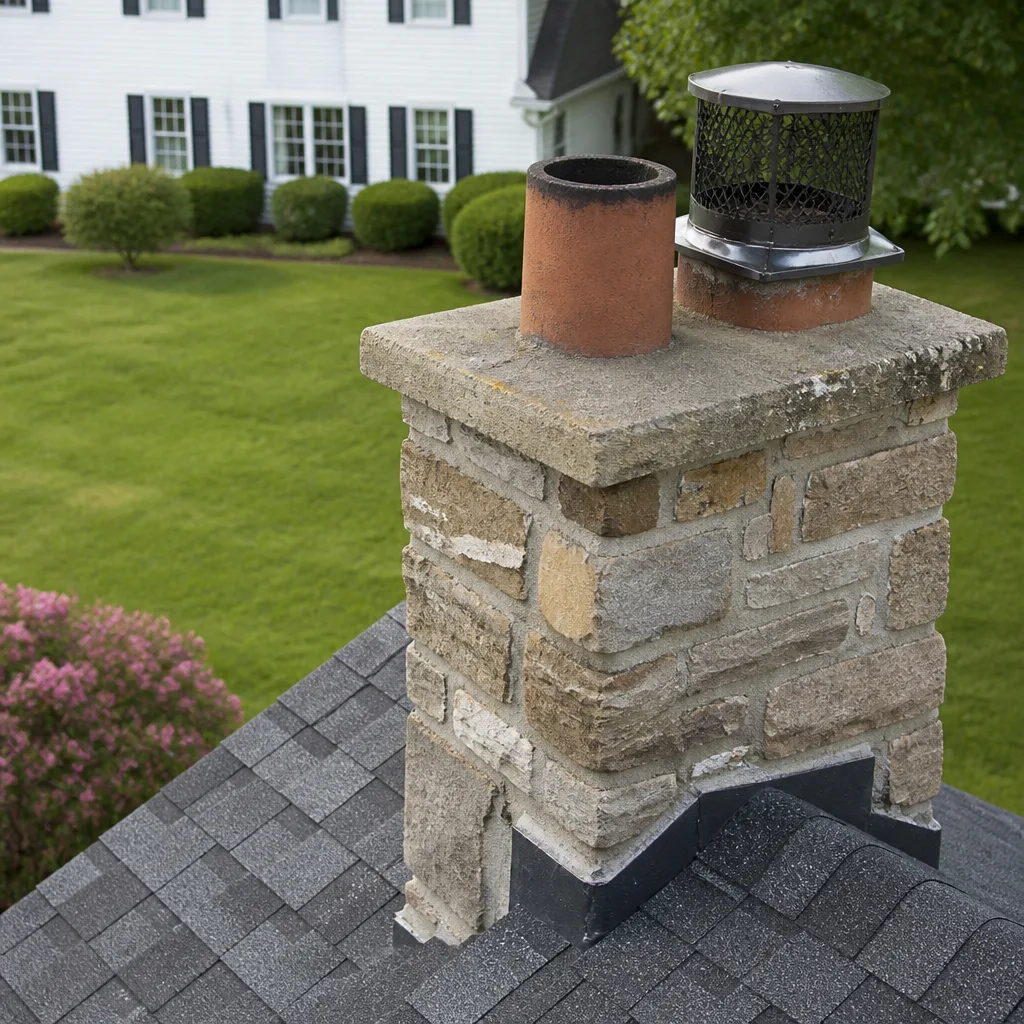
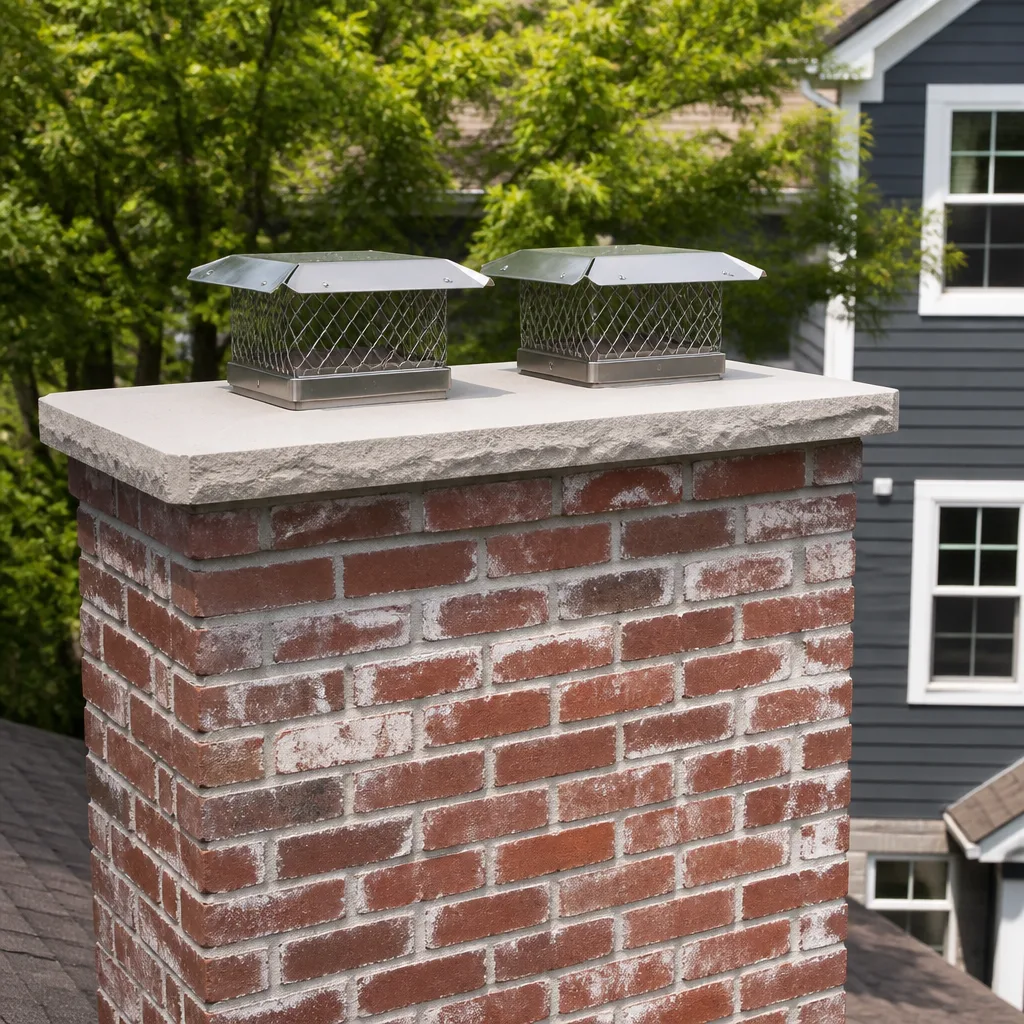
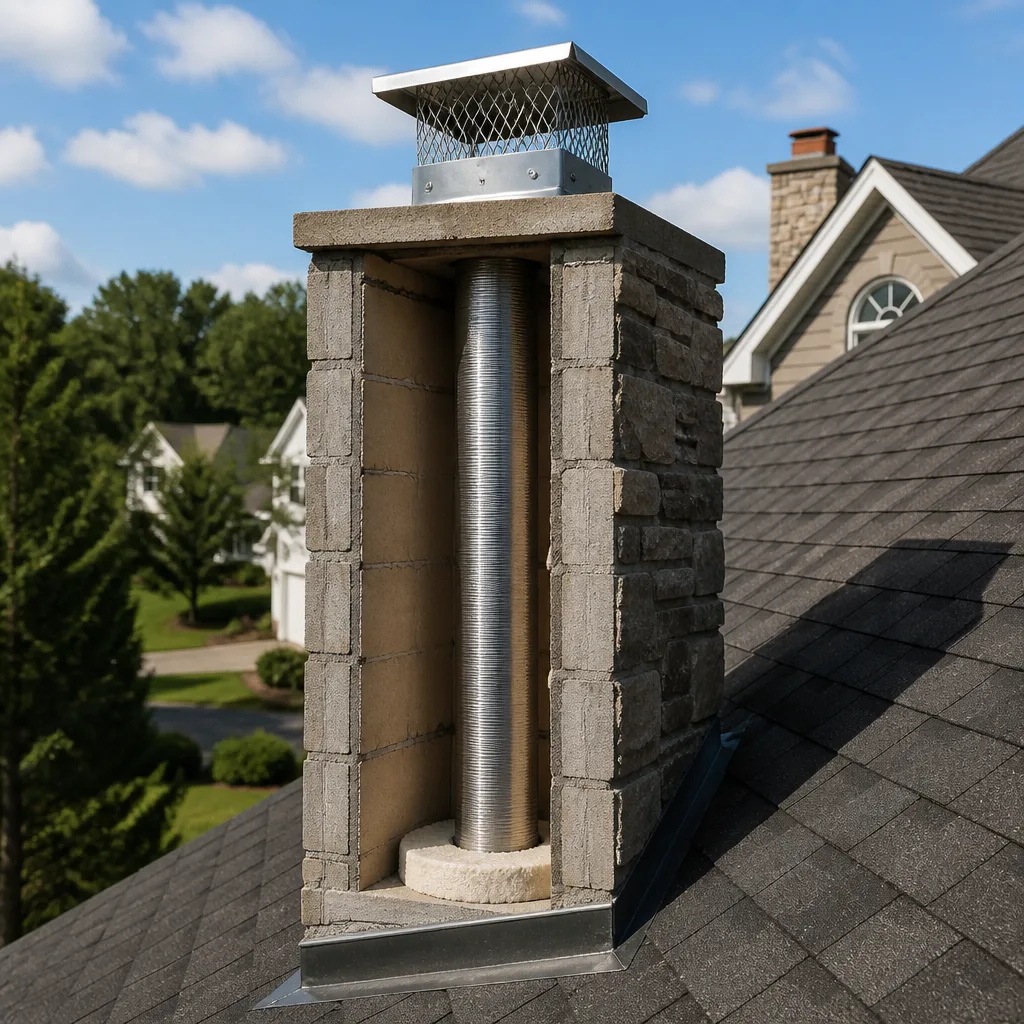
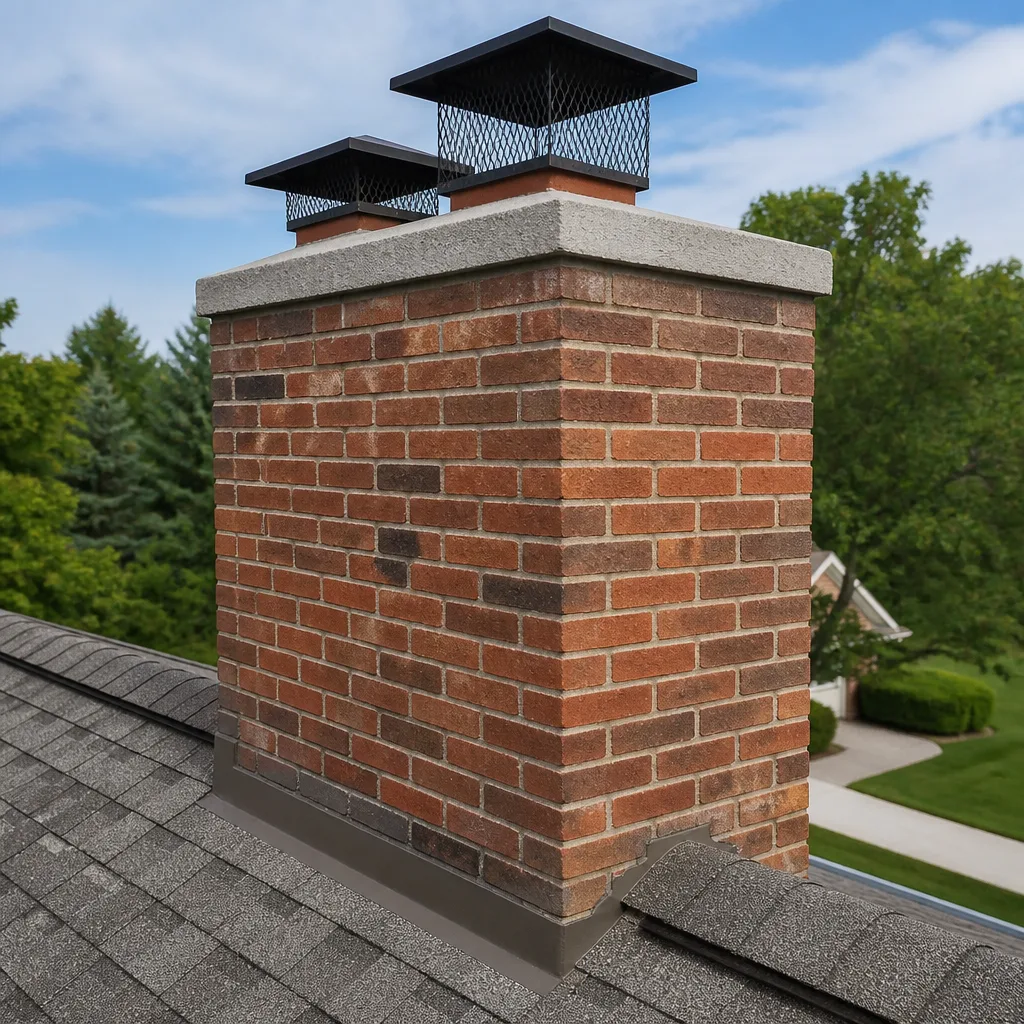
 Before
 After
After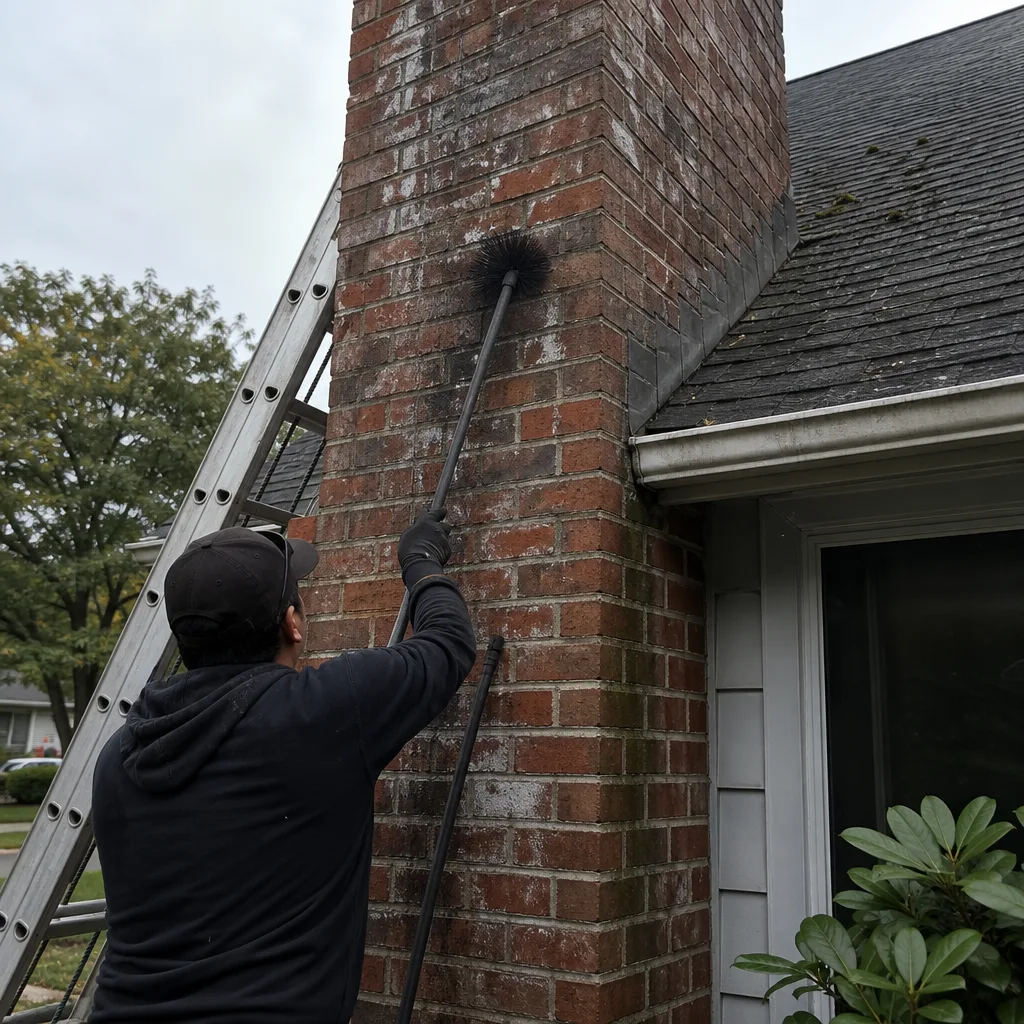 Before
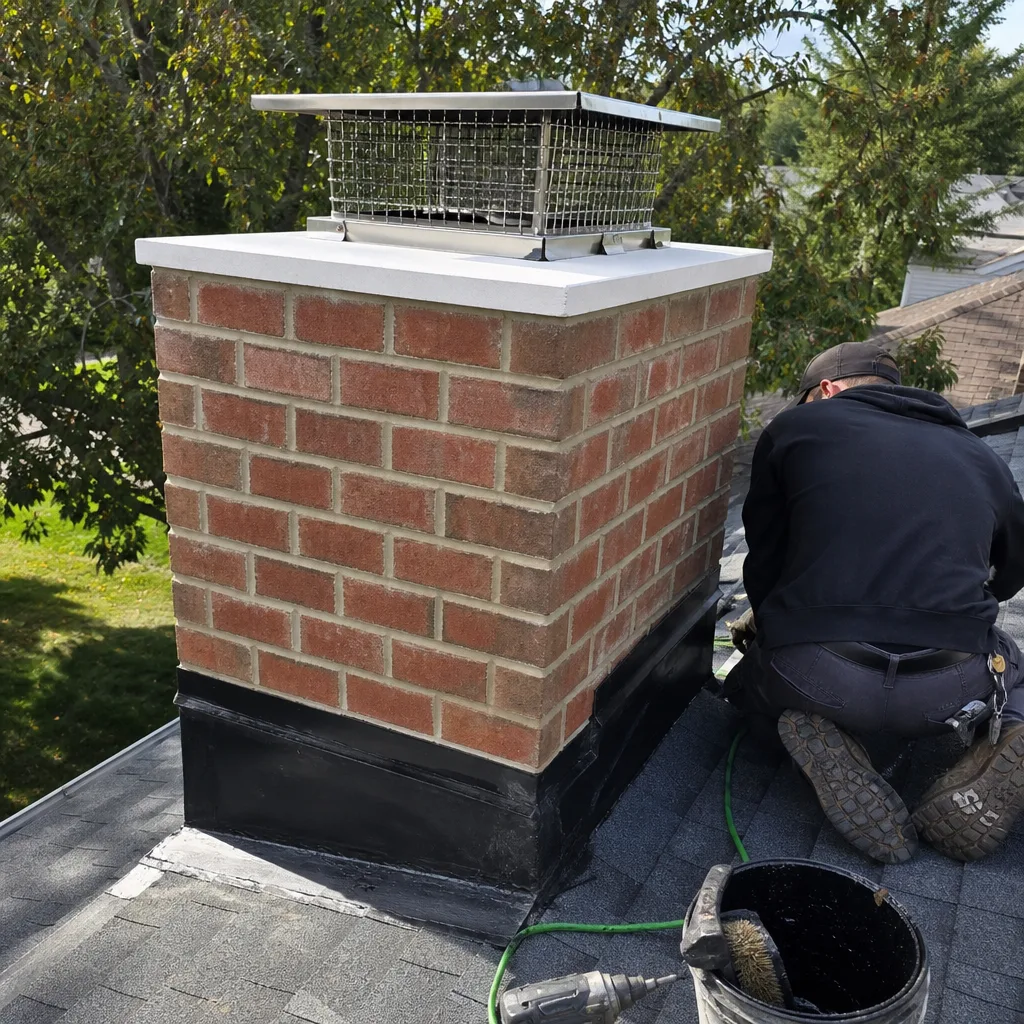 After
After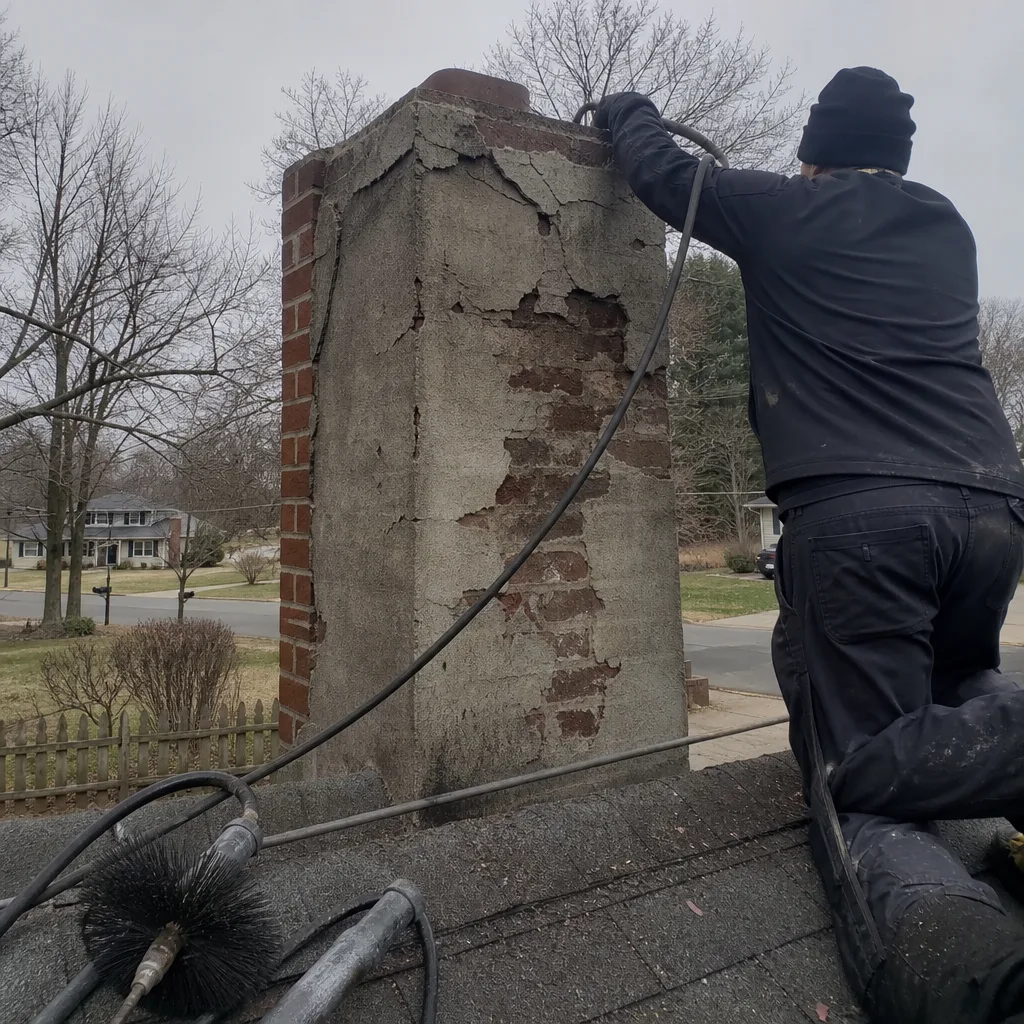 Before
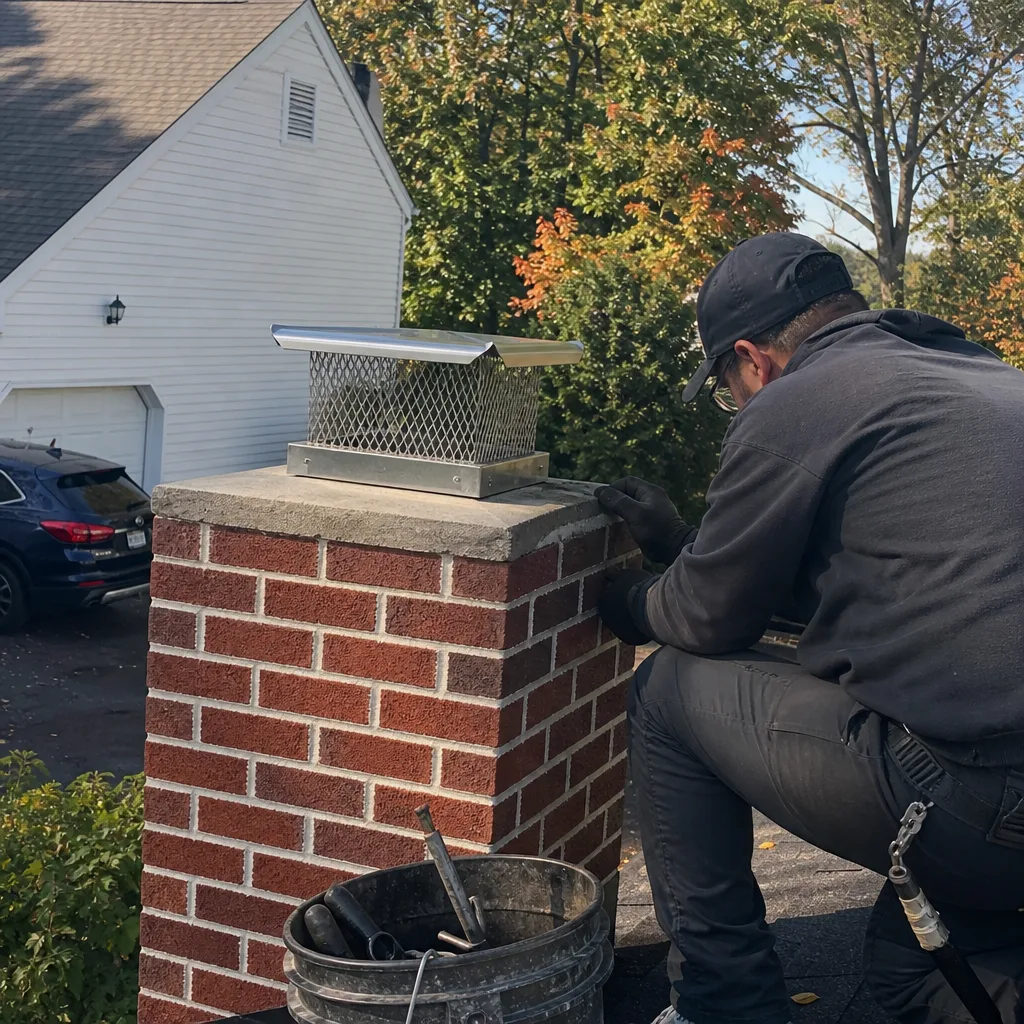 After
AfterHeatShield Flue Liner Replacement: The Gaithersburg Owner’s Guide
HeatShield flue liner replacement in Gaithersburg typically runs $2,100 to $3,800 installed, depending on flue height and liner diameter. We stock HeatShield cerfractory material and HeatShield-compatible stainless steel liners on the truck, so most replacements happen the same week we inspect, not weeks later. Most Gaithersburg homeowners find out their HeatShield liner has failed during a chimney sweep, when the camera shows cracked cerfractory material flaking away from the original flue wall, or when an appliance starts drafting poorly and the living room smells faintly of exhaust after the furnace kicks on.
Key takeaways:
- HeatShield liners fail at the flue tile joints first, especially in Gaithersburg’s freeze-thaw winters where moisture gets behind the cerfractory layer and pops it loose.
- We replace, not patch. A delaminated HeatShield liner cannot be re-adhered; the old cerfractory has to come out or get lined over.
- Every estimate includes camera photos of the failed liner. You see what we see before you spend a dollar.
- Written price before work starts, per Haven Standard Clause 1. No exceptions.
Level Two Chimney Gaithersburg is an independent service provider. We install and replace HeatShield products, but we are not affiliated with the HeatShield brand itself. Corrine Halstead, our owner, pulls the camera out before quoting anything, so every estimate is built on measurements and photos, not approximations. The camera doesn’t guess. Neither do we.
Which HeatShield Models This Applies To
HeatShield’s residential product line breaks into two families: the original HeatShield cerfractory system, applied as a spray or cast-in-place coating inside an existing flue, and HeatShield’s newer stainless steel liner kits that pair with their insulating mix. The part that fails in Gaithersburg homes is almost always the cerfractory material itself, not the metal components. After five to ten Maryland winters, hairline cracks form at the flue tile offsets and let moisture sit against the material. Freeze-thaw cycling does the rest.
To identify what you have, look at the top of the flue or check the paperwork from your original install. HeatShield’s cerfractory systems were sold under the HeatShield name with install dates ranging from the mid-2000s onward. If your flue has a reddish, brick-colored cast material visible from the top, that’s cerfractory. If you see a corrugated stainless tube, you have their liner kit, and the failure is more likely at the top plate or the insulation layer than the liner itself.
The OEM-vs-aftermarket decision for HeatShield is simpler than most parts pages make it sound. HeatShield’s cerfractory material is proprietary, but the stainless liners we install as replacements come from DuraFlex or Gelco, and both run about 20 to 30 percent less than the branded liner while meeting the same UL 1777 standard. We stock DuraFlex and Gelco liners in 6-inch and 8-inch diameters on the truck, plus the HeatShield cerfractory mix for homes where a cast-in-place reline is still the right call. We’ll tell you which one makes sense after the camera comes back up.
Signs Your HeatShield Flue Liner Replacement Is Failing
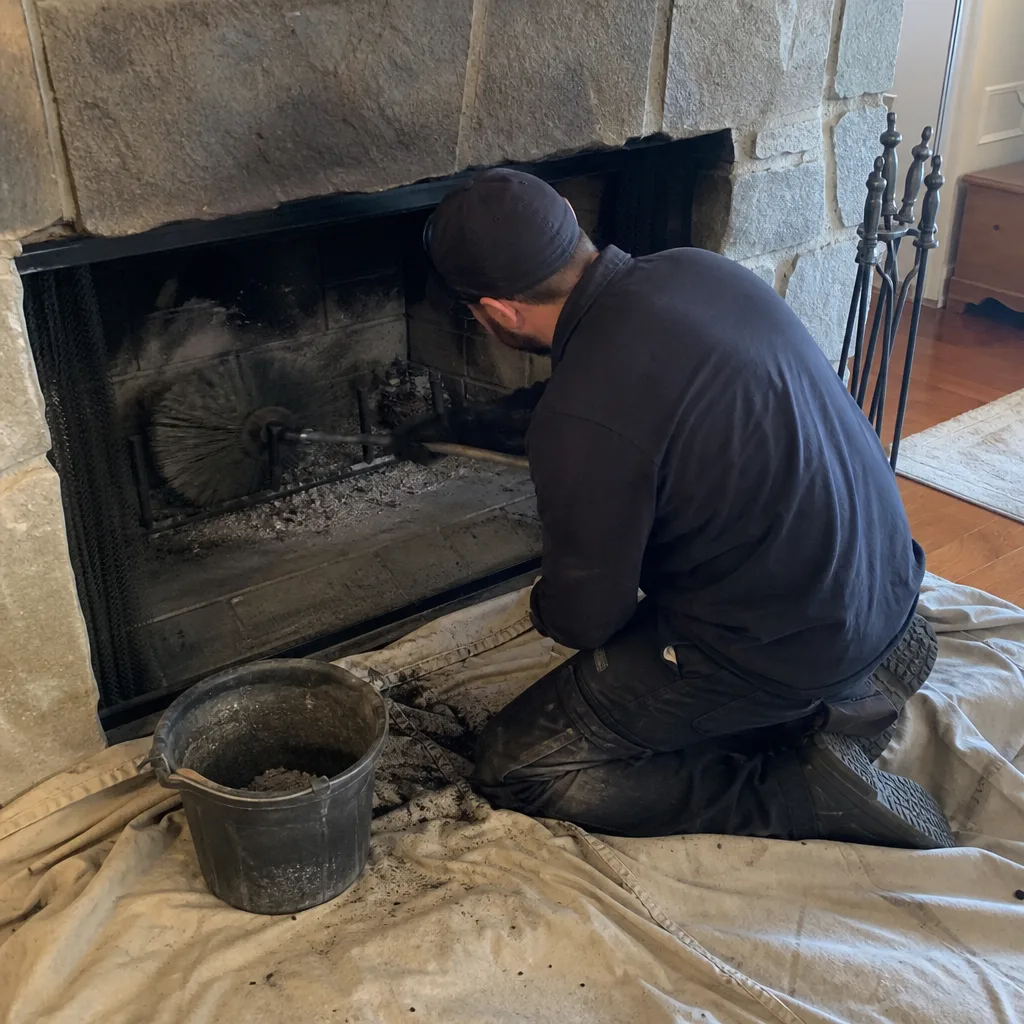
- Flaking cerfractory material in the firebox or at the cleanout. The cast material breaks loose in chunks when the bond to the old flue tile fails. You’ll see reddish-brown grit or pebble-sized pieces at the bottom of the chimney. That’s delamination, and it means the liner has started pulling away from the flue wall.
- Exhaust smell when the furnace or water heater runs. A cracked liner lets flue gases seep into the wall cavity instead of drafting up and out. You’ll notice it most on cold mornings when the appliances are working hard and the house is closed up tight.
- White staining or efflorescence on the chimney exterior. Moisture penetrating through cracks in the liner and masonry leaves mineral deposits on the brick face. In Gaithersburg’s older brick-stack homes near the Rio Washingtonian Center corridor, we see this constantly, and it almost always traces back to a failing liner or a missing crown.
- Pieces of flue tile at the cleanout door. If the original clay tile behind the HeatShield material is spalling, broken tile shards drop down and pile up at the base. That signals the liner system is no longer protecting the original flue, and the whole stack is degrading from the inside out.
- Drafting problems that get progressively worse. A partially collapsed cerfractory liner narrows the flue passage, so the fireplace smokes back into the room or the furnace struggles to vent. The change is gradual, but by the time you notice it, the blockage is usually significant enough to warrant immediate replacement.
Any one of these is reason enough to book a camera scan. All five together means the liner is done, and the only real question is whether the flue tile behind it is still structurally sound or needs to come out too.
BeforeAfterReplacement Cost & What’s Included
Installed HeatShield flue liner replacement in Gaithersburg runs $2,100 to $3,800 for most single-story and two-story homes. The range comes down to three variables: flue height, liner diameter, and whether the old cerfractory has to be removed or can be lined over, which depends on how badly it has delaminated and how much it has blocked the passage.
Here’s the breakdown of what moves the price:
- Flue height: a 20-foot flue on a rancher costs less than a 35-foot flue on a colonial in the King Farm area. Material and install time both scale with height.
- Liner diameter: 6-inch liners cover most furnace and water heater flues, while fireplaces typically need 8 inches. Bigger diameter means higher material cost and more difficulty pulling the liner.
- Condition of the existing flue: if the HeatShield material has broken up enough to narrow the flue, we may need to mechanically break out the old liner first, which adds labor. If the flue tile behind it is in good shape, we can pull a stainless liner through and insulate around it, which is faster and cheaper.
- What’s included: Level 2 camera scan, written scope with photos, liner, insulation, top plate and rain cap, labor, and a documented photo record after the job is done. The written warranty is delivered before work starts, not after.
Every quote is written and itemized. You’ll see the parts cost, the labor cost, and the total before anyone touches the chimney. We don’t do verbal pricing; it is Clause 1 of the Haven Standard, and we haven’t broken it since 2009.
DIY or Call Us?
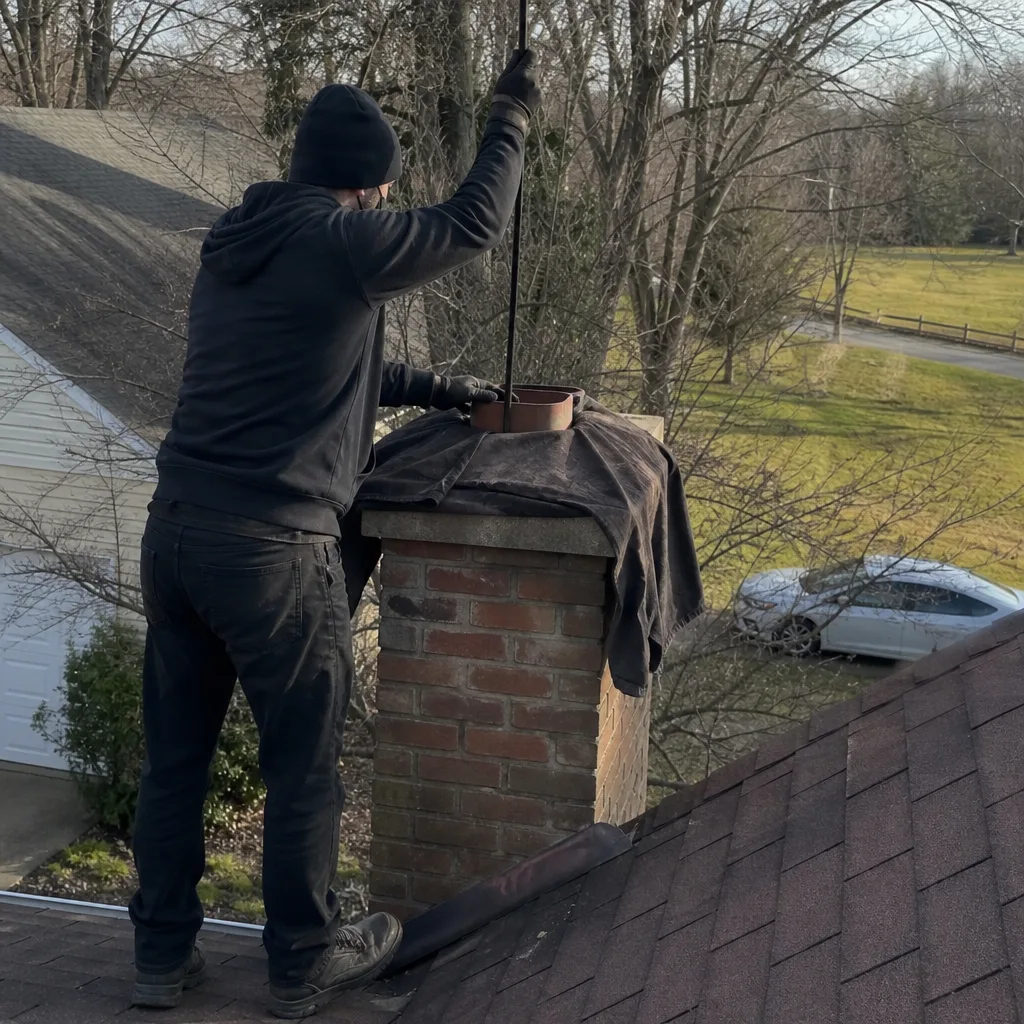
There’s one thing you can safely check yourself, and it’s worth doing before you spend money on a service call: look inside the cleanout door at the base of the chimney and see if reddish-brown debris has piled up. That tells us the liner is actively shedding material. You can also look down from the chimney top, if you’re comfortable on a ladder, and check whether the top of the cast material looks cracked or gouged.
What you shouldn’t do is attempt any part of the replacement. Pulling a stainless liner through a chimney with a partially collapsed cerfractory liner is dangerous work, and doing it wrong can drop debris into the flue, jam the liner halfway down, or leave gaps that let exhaust gas into the house. The same goes for trying to re-apply any ceramic coating product. The bond is structural, and a bad application is worse than no liner at all. This is a job for a trained crew with a pulley system and a camera to verify the result. Our technicians are background-checked, uniformed, and the license number is printed on every estimate we hand you.
If you want to know whether the liner has failed before committing to replacement, call (240) 220-9395, and we’ll run the camera down the flue and show you exactly what’s there. The inspection is documented, and the written estimate includes every photo we took.
Frequently Asked Questions
A HeatShield cerfractory liner in Gaithersburg typically lasts 12 to 18 years, though we’ve pulled liners that failed in 8 years because moisture sat behind the material and froze. Maryland’s freeze-thaw cycles are the single biggest factor in early failure, not the quality of the original install. Stainless liners, including the DuraFlex and Gelco replacements we install, generally outlast the cerfractory systems, with realistic lifespans of 20 to 25 years. If you want an exact condition report on your liner, call (240) 220-9395 for a camera inspection, always written up with photos.
Small cracks in the cerfractory material can sometimes be patched with the HeatShield repair mix, but once the material has delaminated from the flue tile, that liner is in failure, and patching won’t hold. We decide which one you need based on the camera footage and where the damage sits. If a repair is possible, we’ll tell you, and we’ll price it lower than a full replacement. Call (240) 220-9395 and we’ll show you the footage before we recommend anything.
Most Gaithersburg flue liner replacements take one full day from setup to finish, including the final camera verification pass. The job starts with measuring the flue, then pulling the liner, insulating, terminating at the top plate and cap, and documenting the work with photos. We schedule the work after the inspection and send you the written scope before we arrive, per Haven Standard Clause 1. Call (240) 220-9395 and we’ll give you an honest schedule window, not a maybe.
We stock HeatShield cerfractory mix, HeatShield-compatible top plates, and DuraFlex and Gelco stainless liner kits in 6-inch and 8-inch diameters on the truck. That means most replacements in Gaithersburg happen the same week we diagnose the failure, not after a two-week parts order. For less common sizes, we source through the Haven buying network and can usually have the part in hand within a few days. Call (240) 220-9395 and we’ll confirm what’s in the truck before we schedule the work.
Written by Corrine Halstead, Owner, Level Two Chimney Gaithersburg at Level Two Chimney Gaithersburg, serving Gaithersburg and nearby areas.