
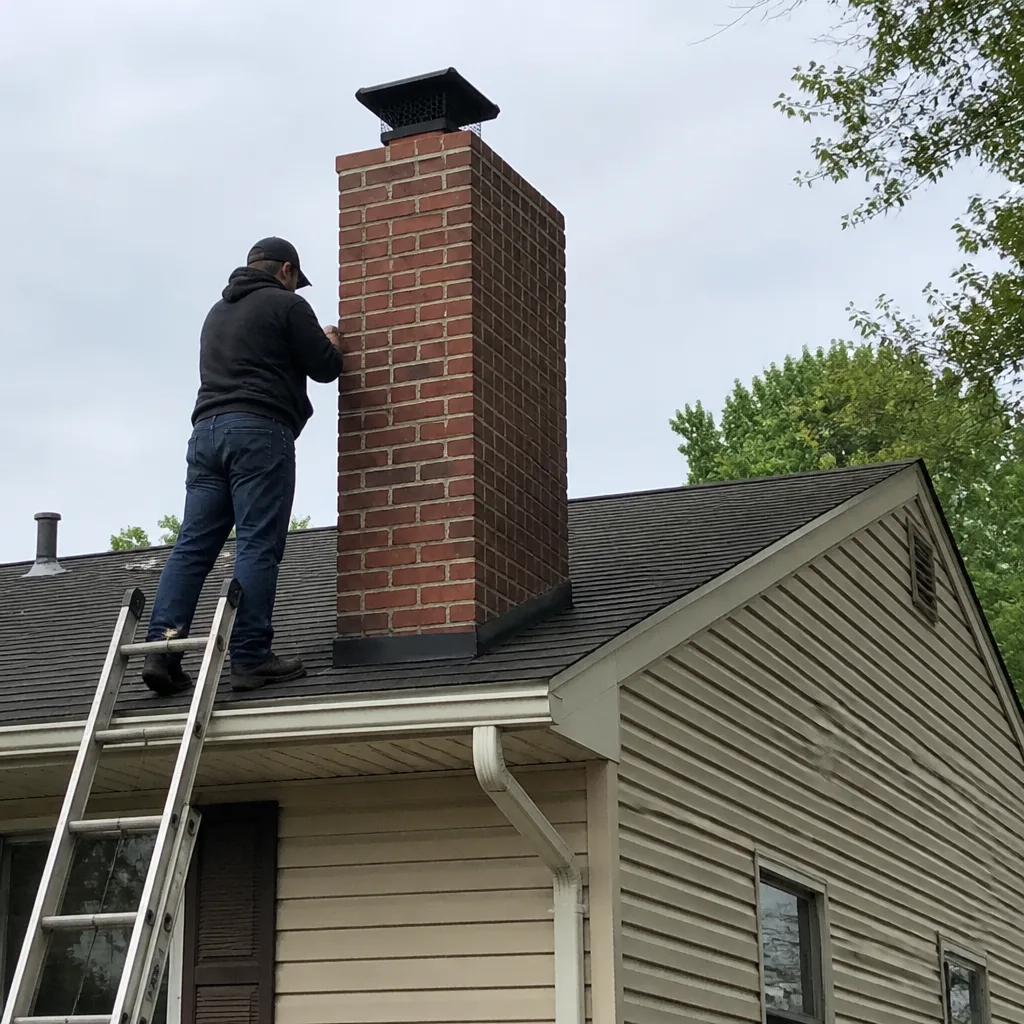
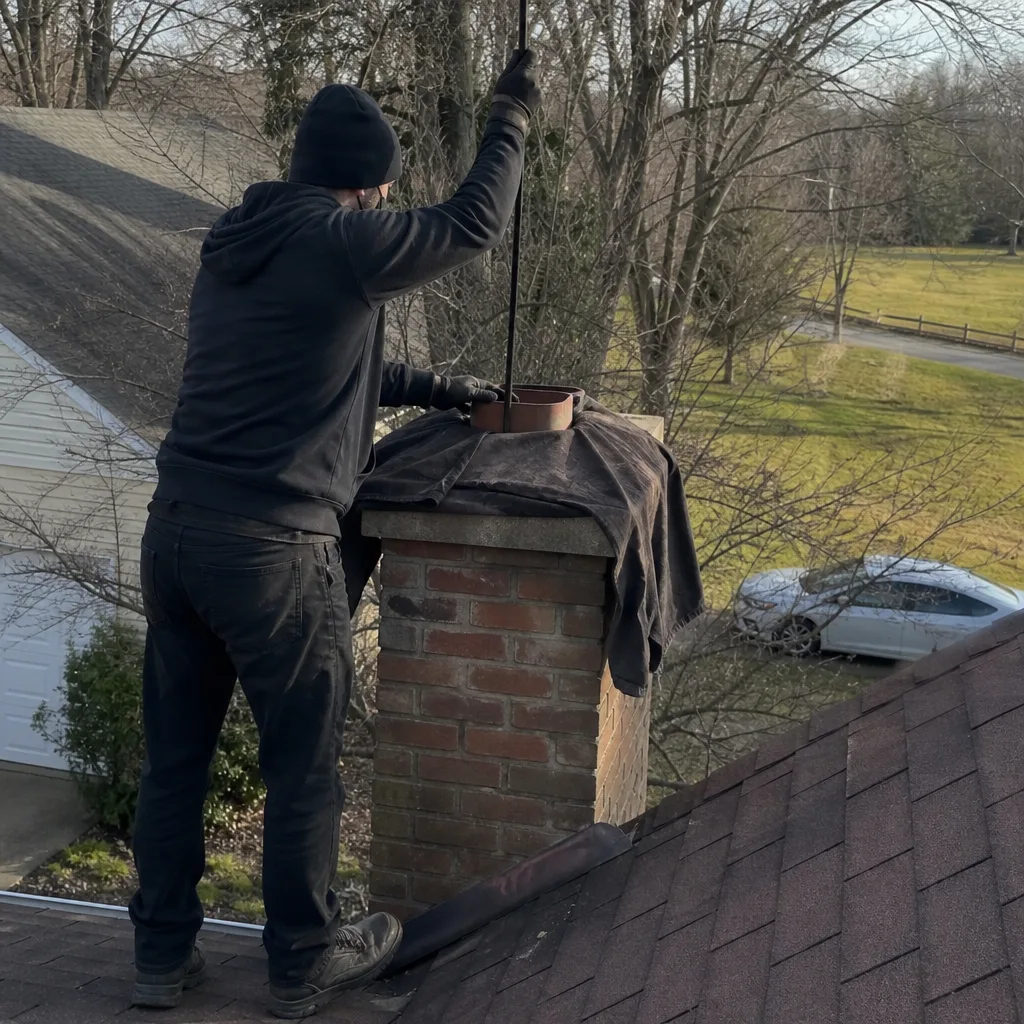
Level 1 sweep and inspection to the NFPA 211 annual standard - flue, crown, cap, and flashing checked and photographed
Chimney sweep logs do not sweep chimneys. They loosen some creosote - which then falls where a brush and vacuum still have to collect it.
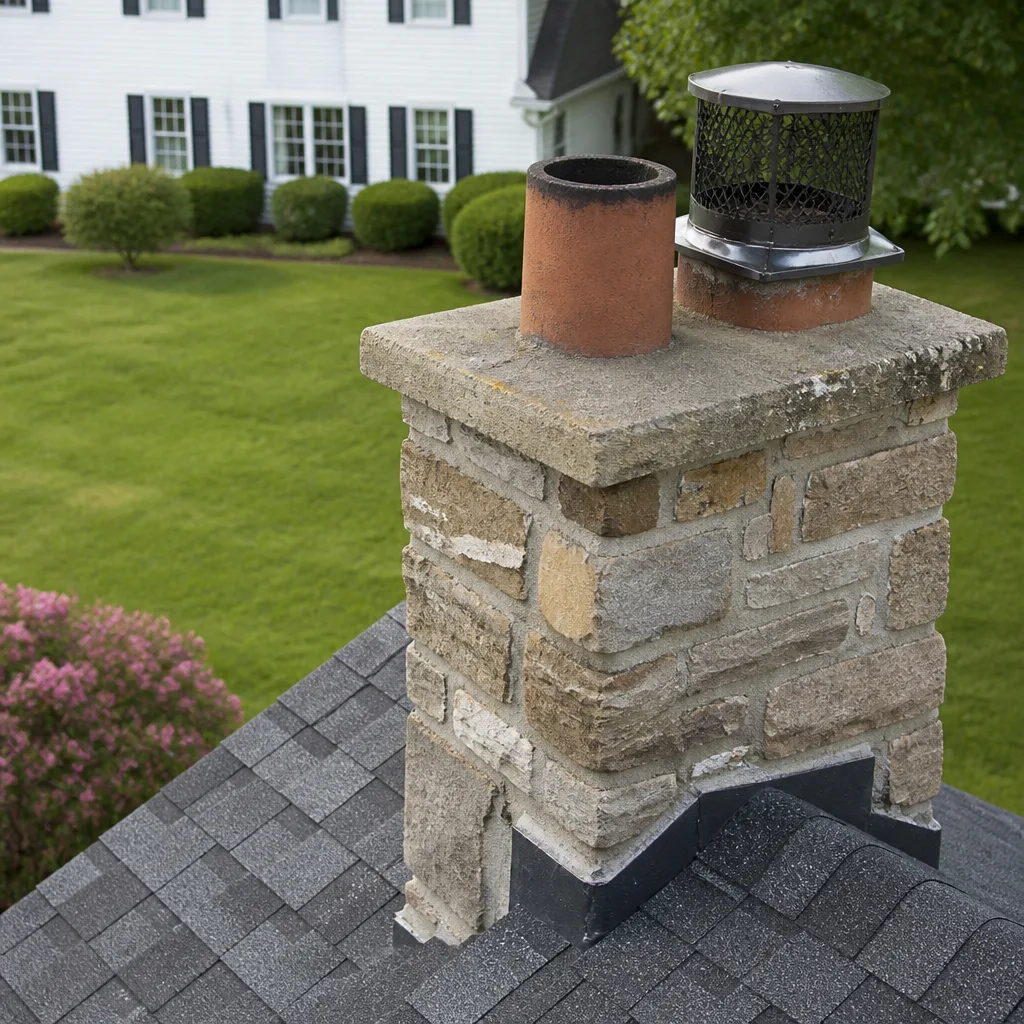
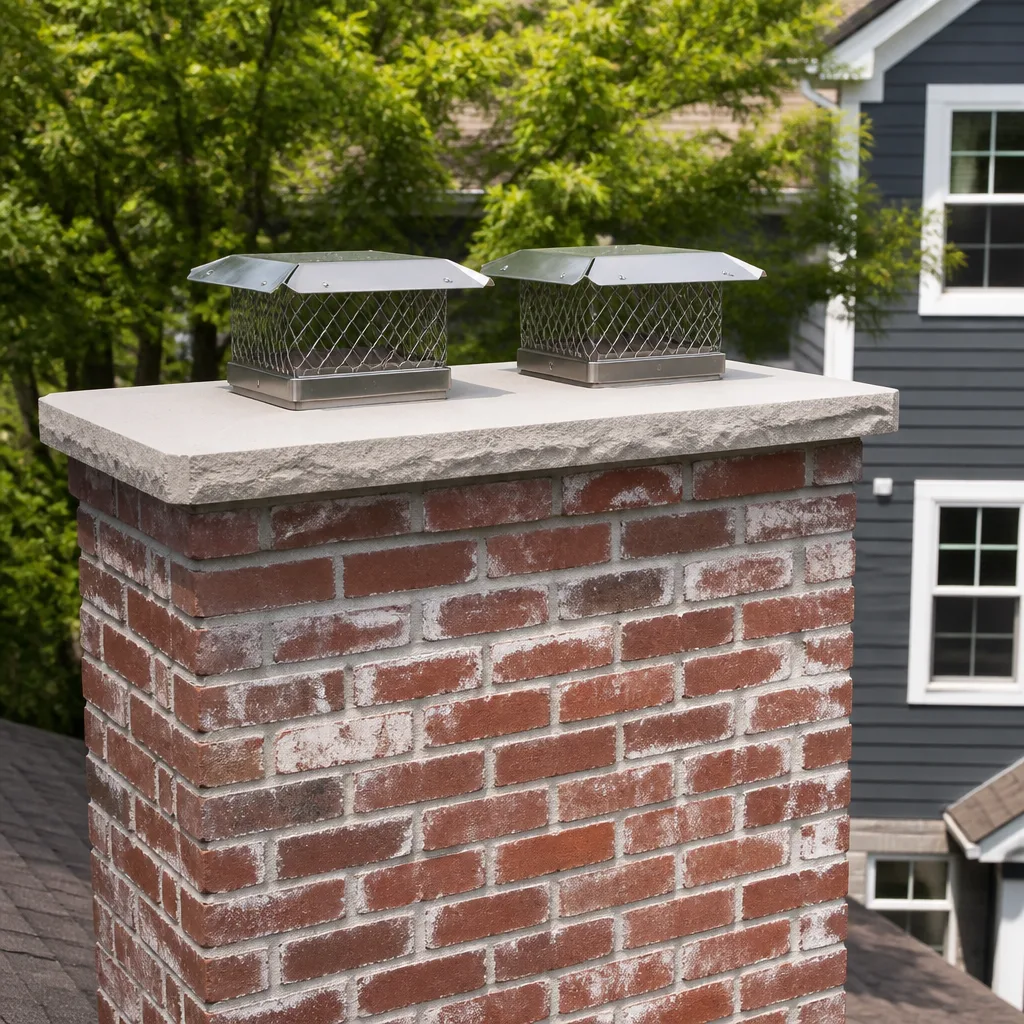
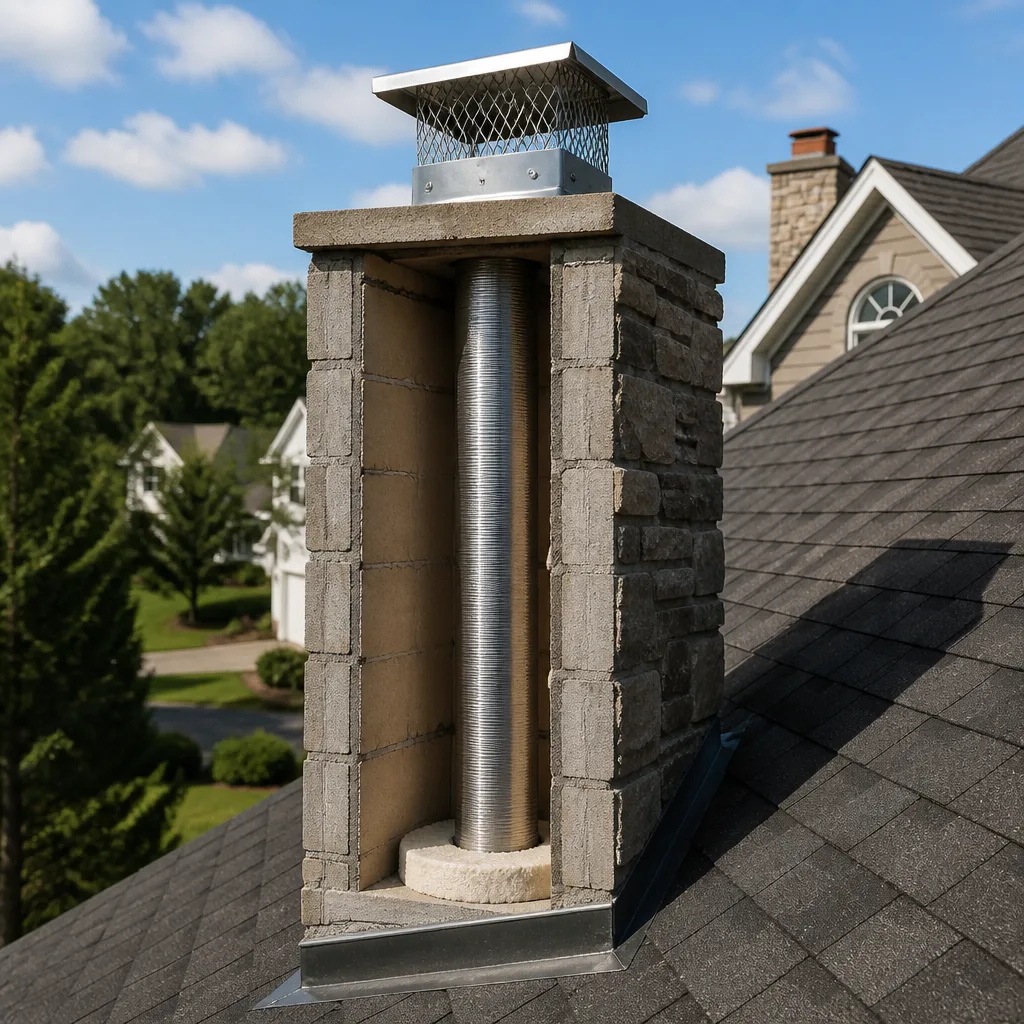
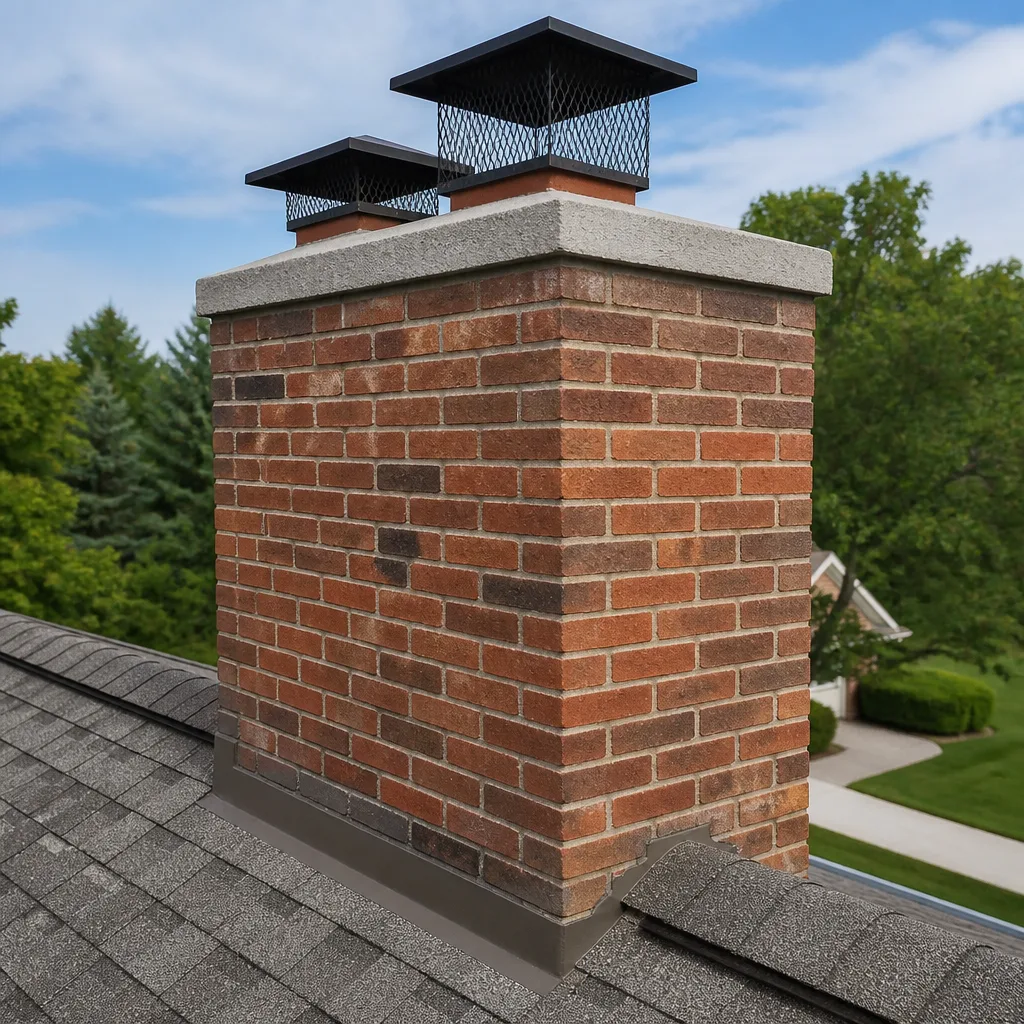
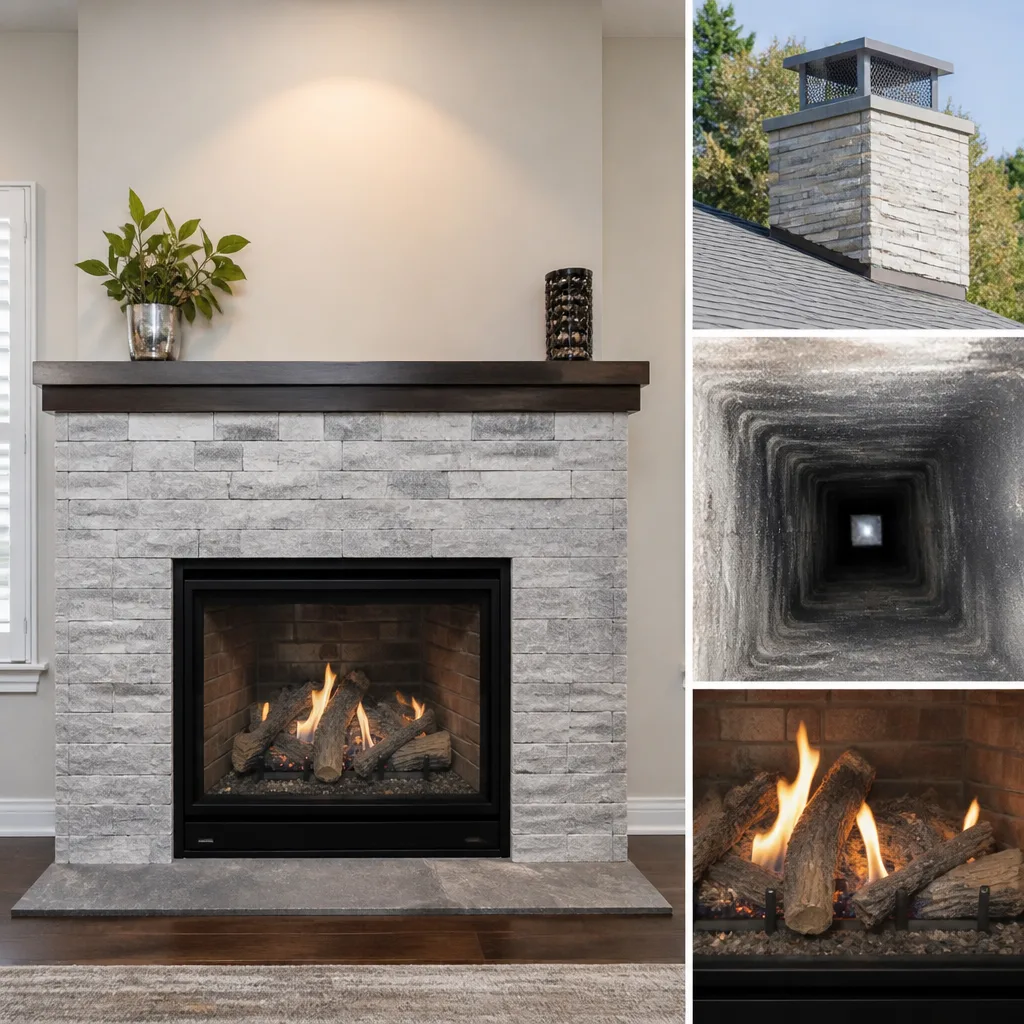
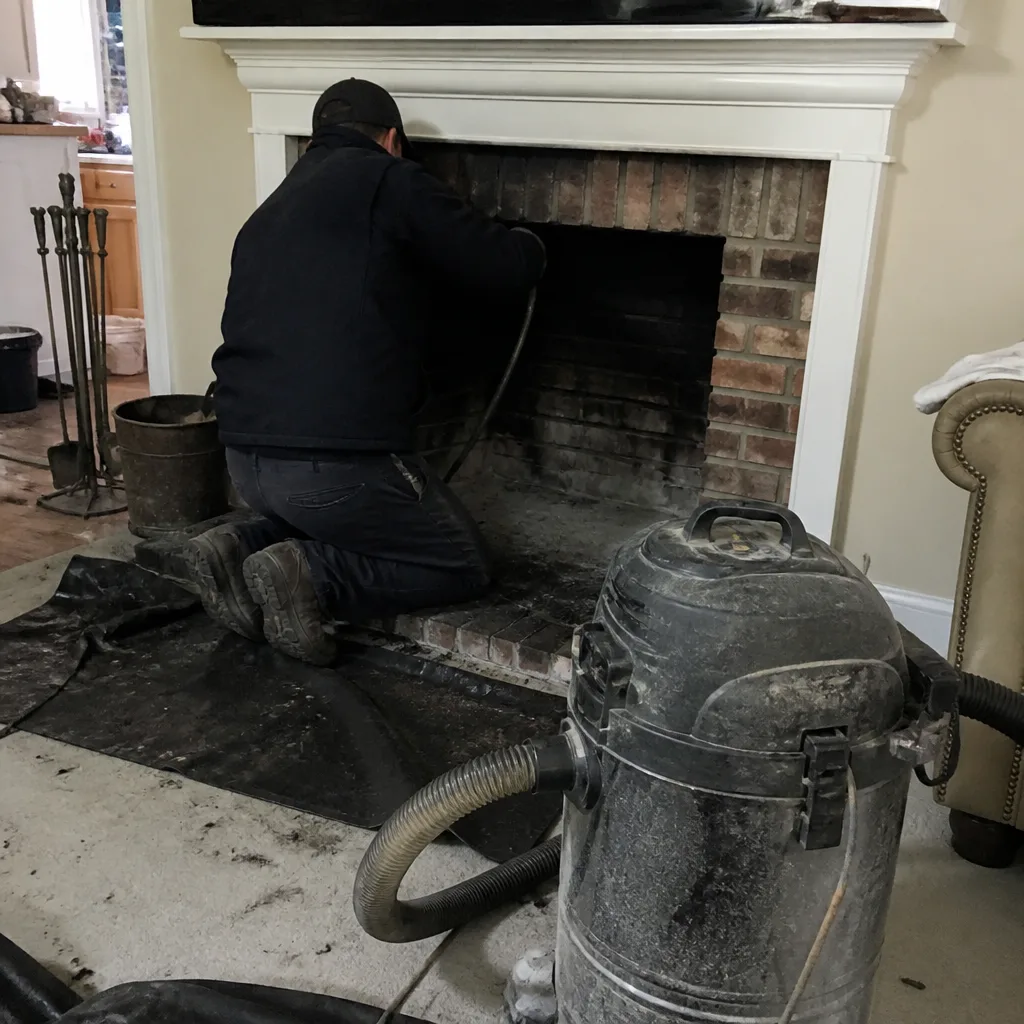 Before
 After
After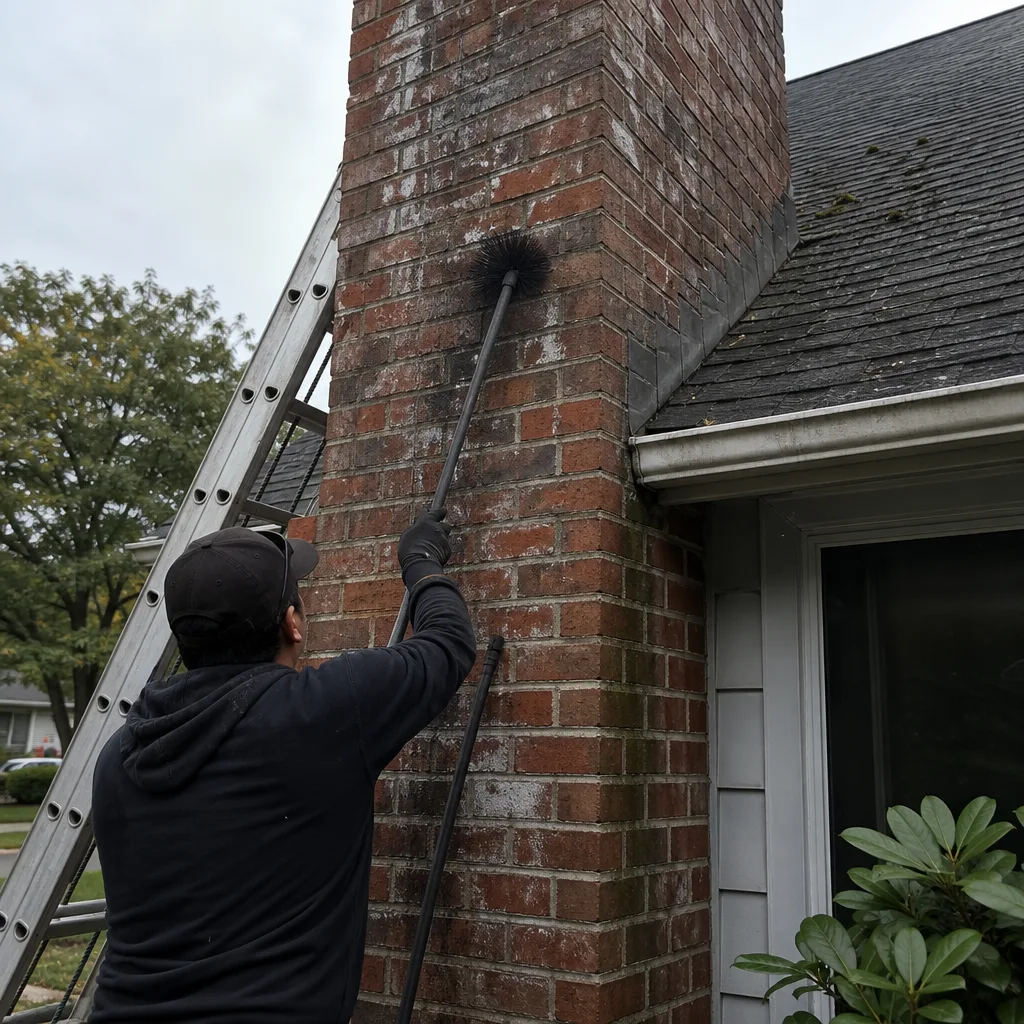 Before
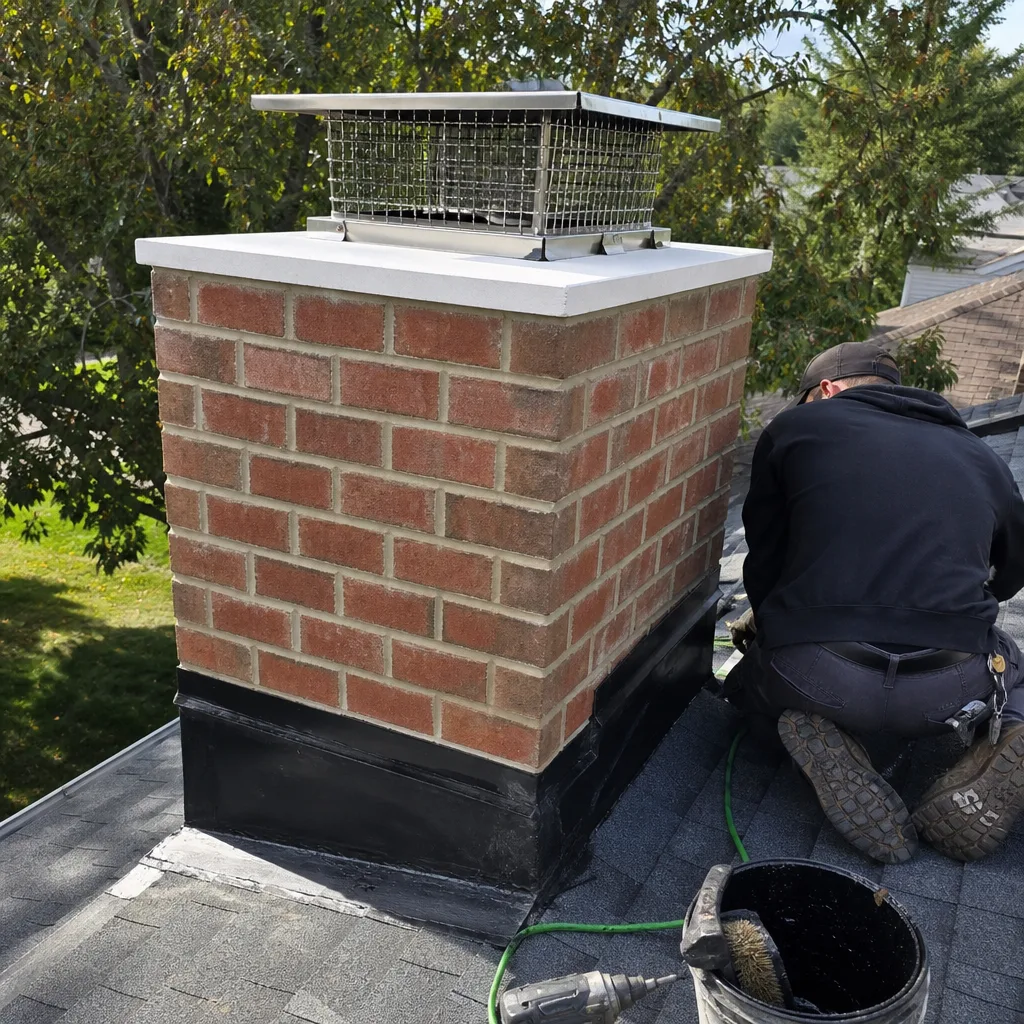 After
After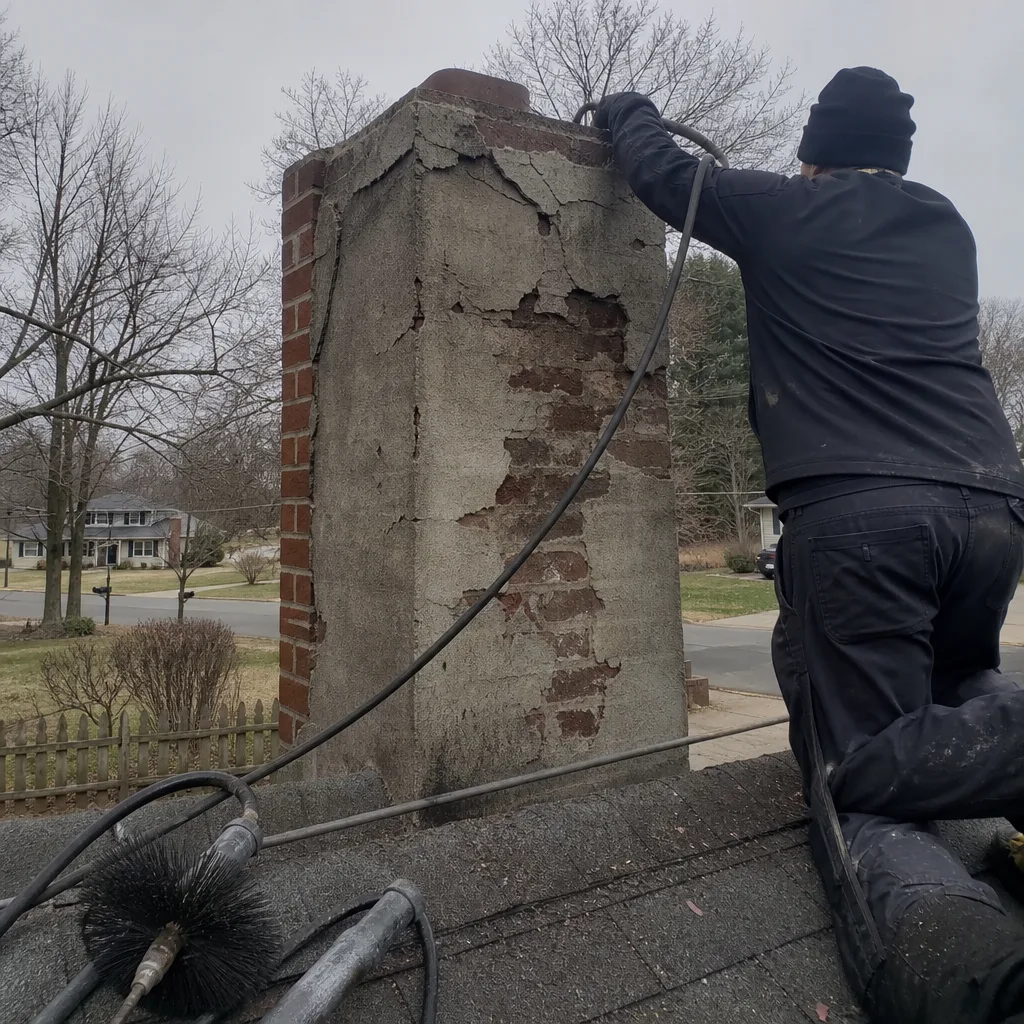 Before
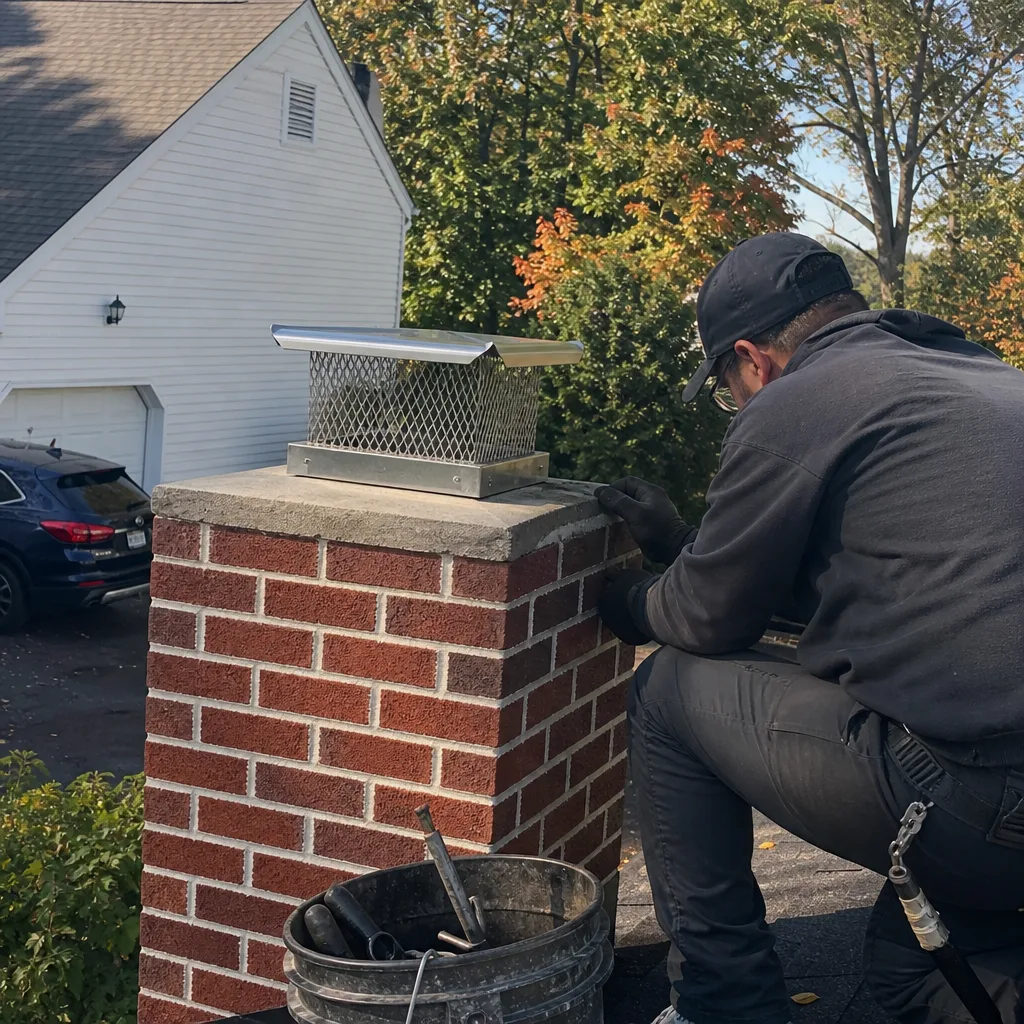 After
AfterCreosote Removal in Gaithersburg, MD
Creosote removal in Gaithersburg typically costs between $200 and $650, depending on how much buildup is present and which class of creosote has formed in your flue. Most appointments are completed in a single visit, and every one includes a camera-scan inspection, a written price before work starts, and a documented photo record when it’s done.
If you’ve been using your fireplace through a Montgomery County winter – and Gaithersburg gets cold enough that most households run their fireplaces from mid-October through March – creosote accumulates faster than most homeowners expect. The combustion byproducts that don’t fully burn condense against the cooler flue walls and build up in layers. Left alone, that buildup becomes a chimney fire waiting for the right conditions.
At Level Two Chimney Co., creosote removal is part of our Chimney Cleaning & Sweep in Gaithersburg service, and it’s handled by background-checked, uniformed technicians who put a written scope and a written price in your hands before touching anything. Our camera goes down the flue on every visit – not a flashlight, a camera – so you see exactly what was found and exactly what was removed. Call us at (240) 220-9395 and a live person will pick up, any day, any hour.
When You Need Creosote Removal
Creosote doesn’t announce itself. Most Gaithersburg homeowners find out they have a problem during a Level 1 Inspection, not before. Here are the situations that typically mean it’s time to schedule removal:
- You smell something smoky or oily when the fireplace isn’t running. That odor – sharper in humid summer months when Gaithersburg’s heat and humidity press down on the flue – is volatile creosote compounds off-gassing back into the living space. It’s not a minor annoyance; it means the deposit is active.
- You haven’t had a cleaning in more than a year and you burned regularly last season. NFPA 211 recommends annual inspection and cleaning for any wood-burning system. In neighborhoods like Crown Farm or Kentlands where older homes have been renovated with tighter building envelopes, incomplete combustion happens more often, and creosote accumulates faster.
- You burned a lot of green or unseasoned wood. Wet wood produces cooler, slower combustion, which dumps significantly more unburned material into the flue. We see this frequently in homes that use wood delivered from local sources without adequate drying time – the flue walls show heavy glaze even after a single season.
- Your fires have been sluggish, smoky, or hard to draw. A flue that’s partially blocked by creosote restricts airflow. If your Gaithersburg home has had smoke rolling back into the room or fires that won’t sustain, buildup is one of the first things we rule out.
- You had a chimney fire – even a small one you may not have noticed. Chimney fires don’t always roar. Many are small, brief events that leave a telltale popcorn-or-honeycomb texture on the flue liner. Our Level 2 camera inspection will find it.
- An inspector or your real estate transaction flagged creosote buildup. If a home inspector noted creosote during a Gaithersburg property sale, that’s a written record you need addressed before the fireplace is used. We offer a free second opinion on any written estimate – bring us the other quote.
Our Creosote Removal Process
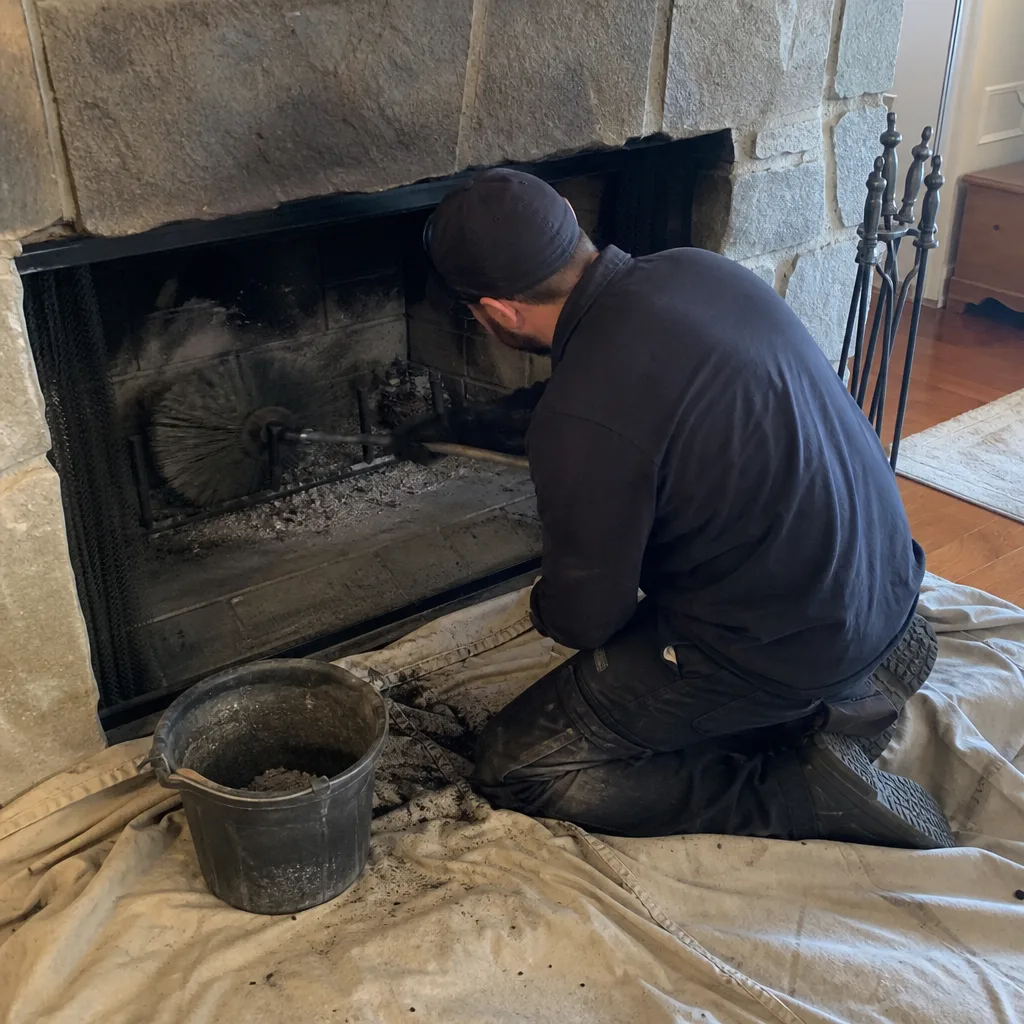
The specifics vary by how much creosote is present and which class it is, but the sequence below is what every Gaithersburg job follows under the Haven Standard.
- Written price before any work starts. When our technician arrives, the first thing that happens is a preliminary look and a written quote – price, scope, and warranty in writing before anyone picks up a brush. This is Haven Standard Clause 1 (H.A.V.E.N. “Have it in writing”), and it’s not something we do on easy jobs and skip on complicated ones. It’s every job, no exceptions.
- Camera-scan inspection of the full flue system. We send a camera down the flue liner before cleaning begins. This tells us exactly what class of creosote is present, where the heaviest deposits are concentrated, and whether any underlying liner damage or cracking needs to be documented. In Gaithersburg homes with older clay-tile liners – common in the established neighborhoods off Shady Grove Road and throughout Washington Grove – pre-cleaning camera work catches liner issues that would otherwise stay hidden.
-
Class-appropriate removal. Not all creosote is the same, and the removal method matches what was found:
- Class I (flaky, sooty): Standard rotary brush cleaning removes it in a single pass. This is the most common result of regular annual cleaning.
- Class II (tar-like, crusty): Rotary brushing combined with chemical treatment breaks down the harder deposits. We use professional-grade chimney chemical products – sourced through our supply network including Copperfield – to loosen and remove what brushes alone can’t dislodge.
- Class III (glazed, hardened): This is the most hazardous class. Glazed creosote bonds to the liner surface and holds extreme amounts of heat energy when it ignites. Removal requires heavy-duty chemical application – often multiple treatments – and in some cases reveals liner damage that requires a separate repair conversation. We’ll document every finding on camera. A safety note here: Class III creosote and the chemical agents used to treat it require trained handling. This is not a job for DIY products; improper application can accelerate flue deterioration or leave deposits that ignite under different conditions than the homeowner expects.
- Smoke chamber and firebox sweep. Creosote doesn’t only accumulate in the flue. The smoke chamber – the funnel-shaped space above the firebox that directs combustion gases toward the flue – collects heavy deposits too, especially in Gaithersburg homes where fireplaces were originally built for coal or where the corbelled masonry is rougher than a modern parge coat would be. We clean the chamber and the firebox floor as part of the same visit.
- Post-cleaning camera verification. After removal, the camera goes back down. You get before-and-after images in your documented photo record. If we found liner cracks, spalling, or any damage that the creosote was masking, those are documented in the same report so you have a clear, written picture of what the system looks like after cleaning – not just our word for it.
- Written record handed off on completion. Under Haven Standard Clause 4, every job leaves the property with a documented photo record. That archive is yours – useful for insurance purposes, for future inspections, and for any real estate transaction where the fireplace’s condition will come up.
BeforeAfterCreosote Removal Pricing in Gaithersburg
Creosote removal pricing in Gaithersburg runs from roughly $200 to $650 for most residential jobs. The range exists because the class of creosote and the depth of buildup have a direct effect on labor time and materials. Below is how we break it down.
| Service | Typical Price Range | What Drives the Cost |
|---|---|---|
| Class I creosote removal (standard annual cleaning) | $200 – $299 | Flaky, sooty deposits; single-pass brush cleaning; included in most annual sweep appointments |
| Class II creosote removal (tar-like deposits) | $300 – $450 | Rotary brushing plus chemical treatment; typically one visit; heavier deposits may need a follow-up |
| Class III creosote removal (glazed, hardened) | $450 – $650+ | Multiple chemical applications, extended labor, possible liner inspection findings documented separately |
| Camera-scan inspection (NFPA 211 Level 2) | Included on every visit | Pre- and post-cleaning; before-and-after photo record; no add-on charge |
A few things worth knowing about how these numbers apply in Gaithersburg specifically: homes in the older sections of the city – around Olde Towne Gaithersburg, near the railroad corridor, and in the Summit Hall area – often have original clay-tile flue liners that weren’t sized to modern EPA-certified insert appliances. When a smaller-output stove or insert was added to an oversized flue, cool exhaust temperatures accelerate Class II and Class III buildup faster than the original chimney was designed to handle. We see this pattern regularly and factor liner sizing into our written scope when it’s relevant.
The written price you receive is the price you pay. No price changes after the tech is already in your home. No “we found more than we expected” additions without a new written approval from you first. If you have a written estimate from another company, bring it to us – we offer a free second opinion on any written quote and will tell you plainly what the work involves and what it should cost.
Call (240) 220-9395 for a free estimate. A live person answers, not a voicemail.
FAQs – Creosote Removal
How much does creosote removal cost in Gaithersburg?
Creosote removal in Gaithersburg runs between $200 and $650 for most single-flue residential systems, depending on which class of creosote is present. Class I (flaky, sooty) is on the lower end and is typically cleared in a standard annual cleaning. Class III (glazed, hardened) requires chemical treatment and more time, which pushes the cost higher. The camera-scan inspection and documented photo record are included on every visit – they’re not a separate line item. Call (240) 220-9395 for a written price specific to your system; the estimate is free.
What are the three classes of creosote, and does the class affect what I pay?
Class I creosote is the flaky, dusty residue that comes off with a standard brush – it’s what you’re left with when a fireplace is used properly with seasoned wood and cleaned every year. Class II is a harder, tar-like crust that requires both brush work and chemical treatment to remove. Class III is glazed creosote: a shiny, dense layer that bonds tightly to the liner surface and holds enormous energy if it ignites – it’s the class that produces the roaring chimney fires that damage liners and occasionally spread to framing. Yes, the class affects cost because it directly affects labor time and materials. Our camera inspection identifies which class is present before we write the price, so you know what you’re dealing with before any work starts.
Can I remove creosote myself using store products?
For Class I deposits, powder-based creosote-reducing products can slow accumulation between professional cleanings – they’re not a substitute for cleaning, but they’re not harmful when used as directed. Class II and Class III removal is a different matter. The chemical agents used for heavy glazed deposits require controlled application; used incorrectly, they can leave treated material that ignites differently than untreated creosote, or accelerate deterioration in an already-compromised clay liner. We’d rather show you camera footage of a clean flue than respond to an emergency after a DIY attempt on a Class III system. The diagnostic step alone – knowing which class you have – requires a Level 2 Inspection that a store product can’t provide.
How often does creosote need to be removed in Gaithersburg homes?
NFPA 211 requires inspection of any wood-burning system at least once a year, and cleaning whenever deposits exceed 1/8 inch. For Gaithersburg homeowners who run their fireplace regularly from mid-October through March – typical for this climate – an annual Chimney Cleaning & Sweep at the end of the burning season or before the next one begins keeps most flues in Class I territory. Homes that burn frequently, use unseasoned wood, or have oversized flues relative to a newer insert may need cleaning twice a year. The only way to know for certain is a camera inspection, which is why we include one on every visit rather than making you guess based on how the fires looked.
Key Takeaways
- Creosote removal in Gaithersburg costs $200 to $650 depending on class and depth of buildup – written price before any work starts, every time.
- Three classes exist: Class I (flaky) is cleared with brush cleaning; Class II (tar-like) requires chemical treatment; Class III (glazed) is a fire hazard and requires professional chemical removal.
- A camera-scan inspection identifying the class and locating deposits is included on every Level Two Chimney visit – before cleaning and after – with a documented photo record on completion.
- Gaithersburg homes with older clay-tile liners or oversized flues relative to a current appliance accumulate heavier deposits faster; our written scope addresses that when it’s a factor.
- The 365-Day Done Right Promise covers every job; the Haven Standard means you have the written price, scope, and warranty before anyone starts.
- A free second opinion is available on any written estimate from another company – call (240) 220-9395.
If your Gaithersburg fireplace is due for cleaning, or if you have any reason to think creosote has built up beyond what annual maintenance would catch, call Level Two Chimney Co. at (240) 220-9395. A live person answers around the clock. Corrine Halstead and the team will put a written price, written scope, and written warranty in your hands before any work begins – and a documented photo record in your hands when it’s done.
Written by Corrine Halstead, Owner at Level Two Chimney Gaithersburg, serving Gaithersburg.